
Genesis 10: Hearing God's Gentle Voice in the Great Family of Nations
How to teach Genesis 10 (Table of Nations) to children (15 min)? A parent-child Bible study with a family album metaphor, age guide, and prayer.
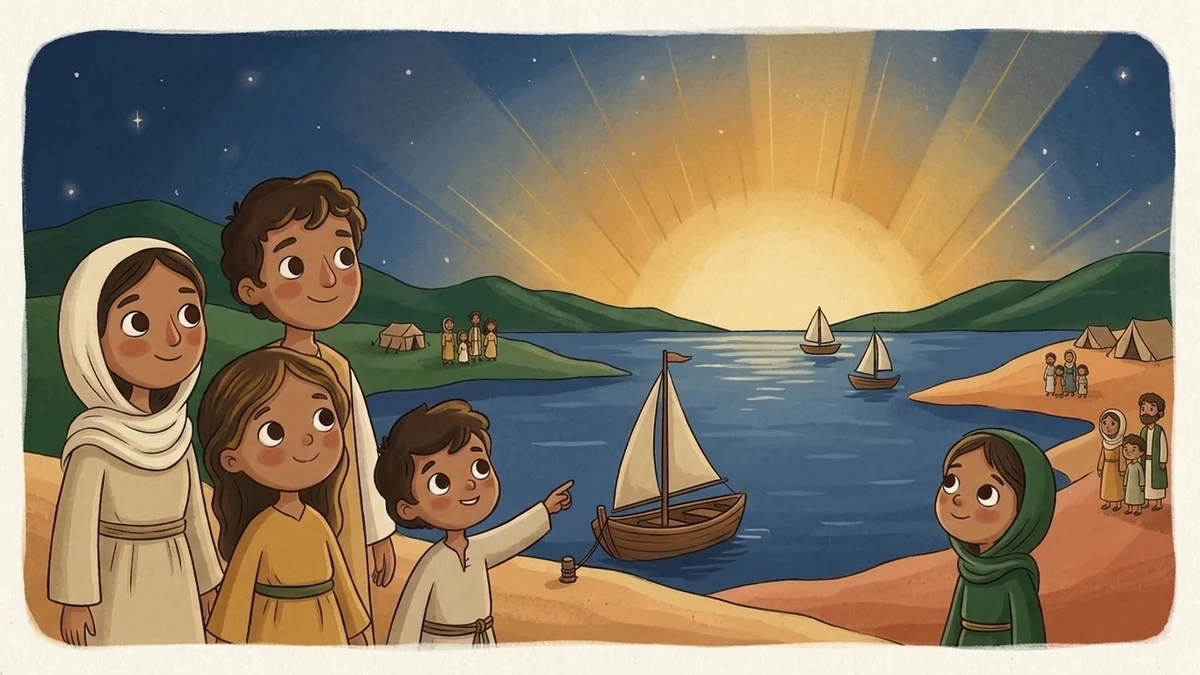
“This is the account of Noah’s sons Shem, Ham, and Japheth, who also had sons after the flood. […] From these, the maritime peoples separated into their territories, according to their languages, by clans within their nations. […] All these are the clans of Noah’s sons, according to their generations and nations. From these the nations of the earth spread out after the flood.”, Genesis 10:1, 5, 32 (Berean Standard Bible, BSB)
A Playful Metaphor to Explain Genesis 10: The Paper Boat and the Family Photo Album
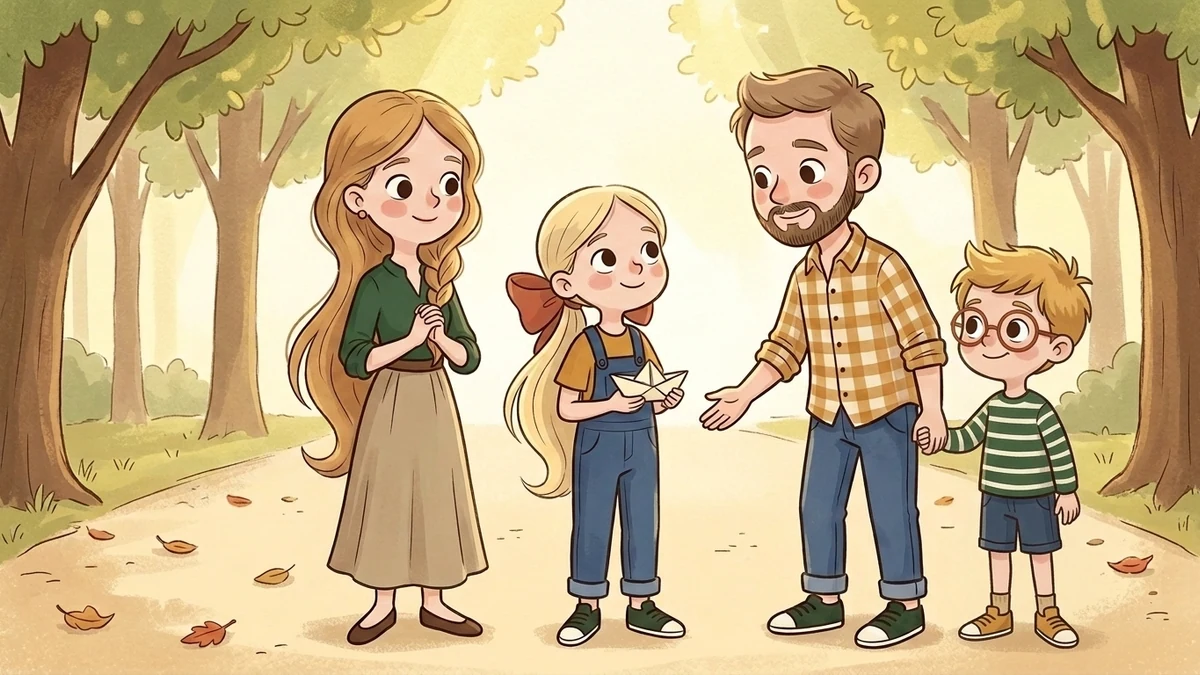
Have you ever folded a little paper boat with your dad and set it floating in a basin of water?
If no one watches over the little boat, the smallest ripple can tip it over. But when a father’s caring hands stay close, gently guiding its path across the water, it reaches the other side safely.
Now think of an old photo album in our family: there are great-grandparents, grandparents, aunts, uncles, and cousins. Looking through the album, we discover where our eyes, our smile, and our story came from. Genesis 10 is the great family photo album of all humanity.
The Story of Genesis 10 Explained for Children: The Tree with Seventy Branches
At first glance, Genesis 10 looks like a list of unusual names: Gomer, Magog, Javan, Tarshish, Cush, Nimrod, Eber, Peleg… In all, there are 70 names of peoples and families born from the three sons of Noah: Shem, Ham, and Japheth.
Why did God make sure to keep this family album inside the Bible for us to read with our children today?
- We All Share the Same Root: Genesis 10 shows us that all peoples of the earth, of every skin color, language, and continent, grew from the same family trunk that God saved in the ark. Before God, no one is ever less important.
- God Knows Every Home by Name: Just as caring hands guide a paper boat across the water, God watched over the growth of every family across the islands, mountains, and valleys.
- Preparing the Way of Promise: Through the descendants of Shem (Genesis 10:21-25), God was preserving the family line from which Abraham would be born and, centuries later, Jesus, who came to bless all the families of the earth.
How to Explain for Each Age (Guide for Parents)
-
For Little Ones (Ages 3 to 6): Show a family photo (or draw Mom, Dad, siblings, and grandparents together). Say: “God loves families so much that He wrote the names of Noah’s children and grandchildren in the Bible, and He knows each of our names right here at home.”
-
For Older Kids (Ages 7 to 12): Talk about loyal friendship and respect: since Genesis 10 shows that all humanity came from the same family created by God, we must never exclude, mock, or mistreat anyone at school because of their accent, appearance, or background.
Quick At-Home Activity: Our Family Tree of Blessing (5 Minutes)
- What you will need: A blank sheet of paper and colored pencils or markers.
- How to do it:
- Draw a strong tree trunk in the center of the page with three large branches.
- Write at the roots: “God Our Creator”, and on the branches write the names of grandparents, parents, and children in your home.
- Around the leaves, write the names of two friends or neighbors you will pray for today, asking God to bless their homes too.
Bible Curiosity to Share with Kids (Genesis 10): Chapter 10 of Genesis has 32 verses and is known by historians as the “Table of Nations.” It lists 70 peoples and families that spread across the world from Noah’s sons (Shem, Ham, and Japheth), teaching that all humanity shares the same origin created by God.
Frequently Asked Questions (FAQ)
What is the 'Table of Nations' in Genesis 10 and how can parents explain it to children?
Genesis 10 is like humanity's grand family photo album after the flood. It records the seventy families and peoples that descended from Noah's three sons, Shem, Ham, and Japheth, and spread across the coastlands, languages, and nations of the earth.
How does Genesis 10 teach children respect for others and the value of every person?
By showing that all nations and ethnicities in the world came from the very same family created and saved by God, Genesis 10 teaches children that every human being is precious in the Creator's sight and deserves respect, friendship, and Christian love.
Why is the line of Shem in Genesis 10:21-25 so important in the story of the Bible?
Because from the family of Shem and Eber would come the lineage of Abraham, the people of Israel, and in the fullness of time, the birth of Jesus Christ, the promised Savior who blesses all the families of the earth.