
Genesis 23: The Cave of Machpelah: Comfort and Hope in Seasons of Longing
Bible study of Genesis 23 for parents to teach children with practical lessons, playful activities, and family devotional questions.
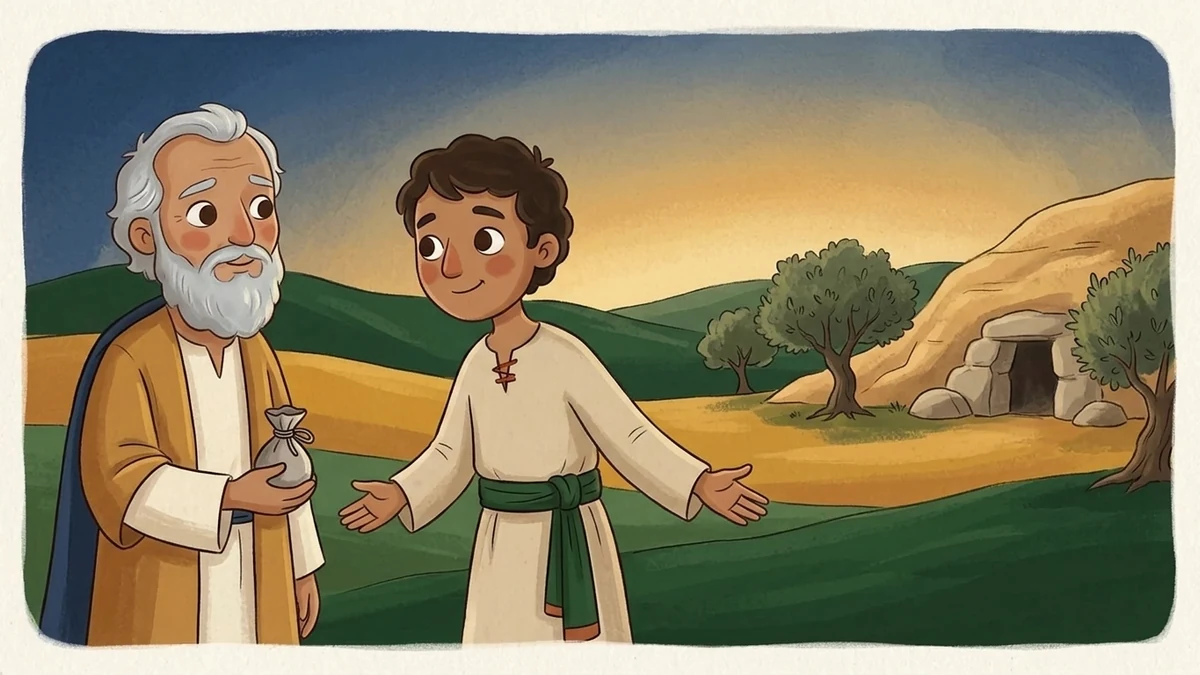
“Now Sarah lived to be 127 years old. […] She died in Kiriath-arba (that is, Hebron) in the land of Canaan, and Abraham went out to mourn and to weep for her. […] “I am a foreigner and an outsider among you. Give me a burial site among you so that I can bury my dead.” […] Abraham agreed to Ephron’s terms and weighed out for him the price he had named in the hearing of the Hittites: four hundred shekels of silver, according to the standard of the merchants. […] After this, Abraham buried his wife Sarah in the cave of the field at Machpelah near Mamre (that is, Hebron) in the land of Canaan.”, Genesis 23:1, 2, 4, 16, 19 (Berean Standard Bible, BSB)
Children’s Metaphor to Explain Genesis 23: The gentle bandage that cleans and protects a scraped knee
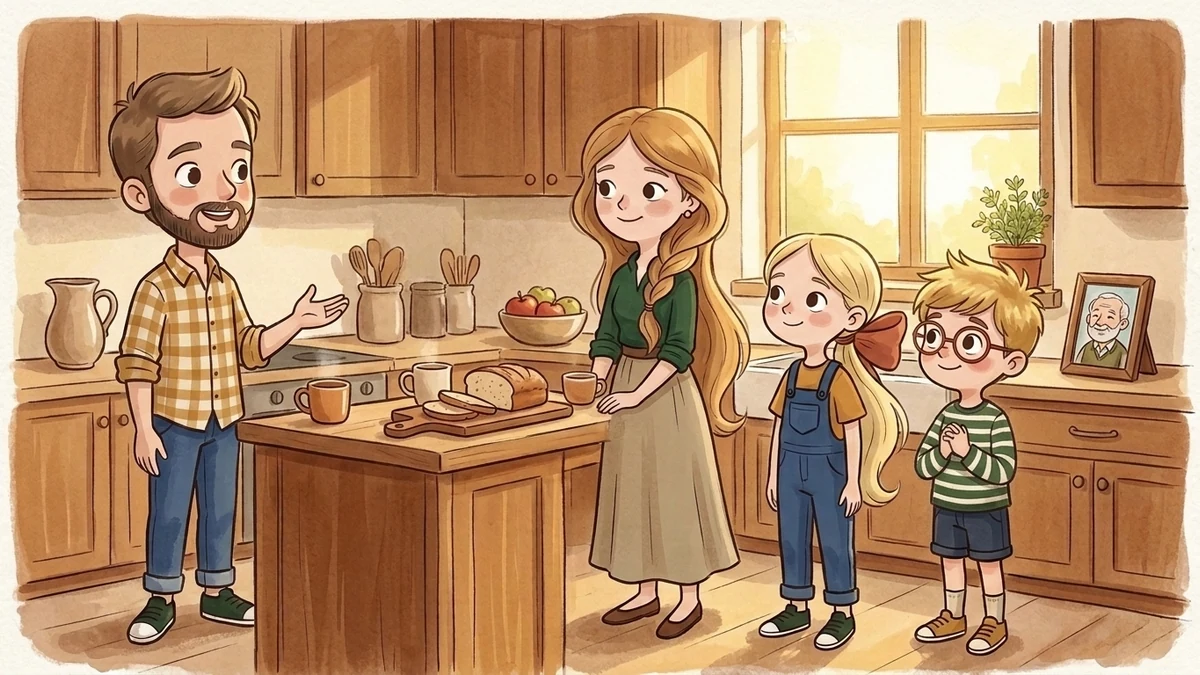
When a little child falls hard and scrapes a knee, Mom or Dad does not scold them for crying. Instead, they kneel down, gently clean the hurt, smooth on a soft bandage, and hold their child close until the trembling settles down. That tender care does not mean the scrape vanishes instantly; it means someone who loves you stays right beside you while you heal.
In Genesis 23, Abraham faced a deep heartache when Sarah died. God met his grief and tears with quiet comfort, wrapping his sorrow in peace as Abraham honored Sarah’s memory and bought the field of Machpelah in hopeful trust that God’s promise outlasts goodbye.
The Story of Genesis 23: Saying Goodbye with Respect and Quiet Hope
Sarah had traveled beside Abraham for decades, laughed in joy when Isaac was born, and lived 127 years. When she passed away in Hebron, in the land of Canaan, Abraham did not pretend to be made of stone. Scripture tells us honestly that he sat down to mourn and weep for his beloved wife.
After grieving, Abraham rose with quiet dignity to arrange a respectful resting place for Sarah. Even though God had promised his descendants the entire land of Canaan one day, Abraham spoke humbly to the Hittite neighbors, calling himself a foreigner and an outsider among them. Listen to how warmly his neighbors answered him:
““Listen to us, sir. You are God’s chosen one among us. Bury your dead in the finest of our tombs. None of us will withhold his tomb for burying your dead.””, Genesis 23:6 (Berean Standard Bible, BSB)
Abraham bowed respectfully twice before the people of the land (v. 7 and 12) and asked them to speak to Ephron, who owned a field with the Cave of Machpelah. Ephron generously offered to give the field and cave to Abraham as a free gift.
Yet Abraham politely insisted on paying the full price: four hundred shekels of silver, weighed fairly in public at the city gate where everyone watched. Paying honestly ensured no one could ever argue later over who owned that field. Like holding the very first key to a family’s promised home, burying Sarah in Machpelah showed Abraham’s quiet faith that God’s promises remain alive across every generation. Centuries later, Jesus wept at Lazarus’s tomb and rose from the grave so that every family trusting Him has eternal life ahead.
How to Explain for Each Age (Guide for Parents)
-
For Little Ones (Ages 3 to 6): Hold your child close and say softly: “Crying when we miss someone who went to heaven or moved far away is completely okay. Even Abraham cried! God hugs our hearts when we feel sad, and Jesus promises a forever home with no more goodbyes.”
-
For Older Kids (Ages 7 to 12): Point out both Abraham’s open grief and his courtesy and honesty when buying the field from Ephron. Ask: “Why did Abraham insist on paying a fair price even when offered a gift, and how does treating neighbors with respect honor God even on heavy days?”
Quick 5-Minute Family Activity on Genesis 23
- Around the Kitchen Counter:
- Prepare a simple family snack together in the kitchen.
- Share one fond, grateful memory about a grandparent, great-grandparent, or beloved relative (or look at an old family photo together).
- Hold hands and thank God for their life and for the bright hope of eternal life in Jesus.
How to Apply Genesis 23 in Daily Life with Your Kids
- Welcome tears gently: Let children know they never have to hide sadness at home; listen patiently and pray together when they miss someone.
- Keep agreements fair and respectful: Just as Abraham weighed out full silver publicly, return borrowed things on time and treat neighbors politely.
- Live with eternal hope: Remind kids that our earthly tents are temporary, while God is preparing an everlasting home for everyone who loves Christ.
Bible Curiosity to Share with Kids (Genesis 23): Chapter 23 of Genesis has 20 verses and holds a unique detail in all of Scripture: Sarah is the only woman in the Bible whose exact age at death is recorded (127 years)! Also, the Hebrew name Machpelah means “double” (likely a cave with two chambers), and Abraham, Isaac, Rebekah, Leah, and Jacob were later buried there too.
Frequently Asked Questions (FAQ)
What does Abraham weeping for Sarah in Genesis 23 teach children about sadness?
It shows that crying when someone we love passes away is not a lack of faith. Abraham walked closely with God and still wept openly for Sarah at age 127, reminding kids that Jesus meets our tears with tender comfort and eternal hope.
Why did Abraham insist on paying 400 shekels of silver for the Cave of Machpelah?
Even though Ephron and the Hittites offered him a tomb for free, Abraham politely bowed and paid the full fair price before witnesses at the city gate. His honesty ensured the burial field belonged permanently to his family without any future conflict.
Why was buying the field of Machpelah in Canaan so meaningful for Abraham's faith?
Although Abraham lived in tents his whole life as a stranger, the cave and field at Machpelah in Hebron became the very first piece of the Promised Land he owned. Burying Sarah there declared his confident hope that God keeps every covenant promise.