
He Who Rules His Spirit Is Stronger Than One Who Captures a City
Bible study on Proverbs 16:32 (8 min) about anger and self-control: why governing your own spirit is greater than conquering a fortified city.
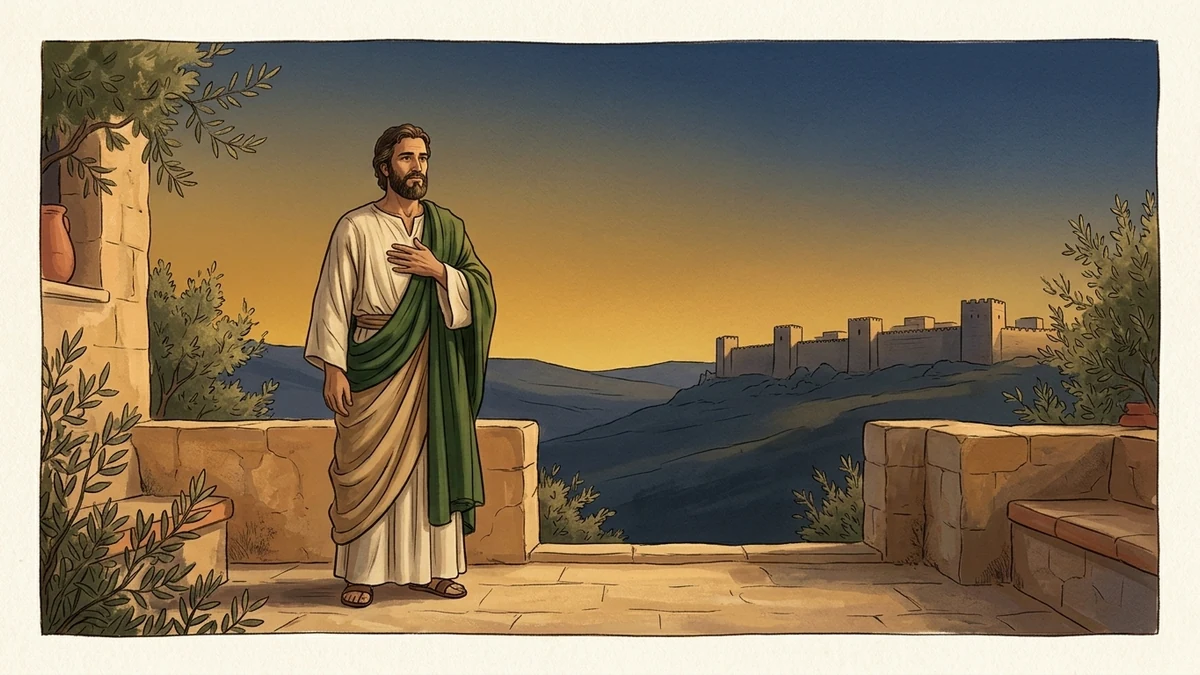
“He who is slow to anger is better than a warrior, and he who controls his temper is greater than one who captures a city.”, Proverbs 16:32 (Berean Standard Bible, BSB)
The Ache Left Behind When the Dust Settles
Almost everyone knows the quiet regret that follows a sudden outburst. The day was already heavy, traffic ran late, a simple errand went sideways, or someone at home asked one question too many at the wrong moment. In two seconds, your voice rises, a cutting sentence slips out, and a door shuts harder than it needed to. Ten minutes later, when the hallway goes silent, conscience asks a hard question: why did I react like that over something so small?
Impatience inside a family rarely grows out of major tragedies. It usually sprouts from daily friction between accumulated fatigue, hurry, and the illusion that we must fix everything immediately. When we lose our temper, we sometimes try to tell ourselves we were simply “being firm” or “setting boundaries.” Deep down, though, nobody feels strong after wounding the people they love.
Proverbs 16:32 goes straight to the root of that confusion and redefines what real strength looks like.
Capturing Cities or Governing Yourself
In Israel’s wisdom literature, the book of Proverbs uses sharp contrasts that stick in memory. In verse 32, the writer places two figures of power side by side: on one hand, a seasoned warrior who breaches stone walls and captures a fortified city; on the other, an ordinary person who is slow to anger and keeps rule over his own temper.
In the original Hebrew, the phrase translated “slow to anger” (erek appayim) literally means “long of breath.” It paints the picture of someone who takes a slow breath instead of letting heat rush to the head at the first spark of provocation. The verb for controlling one’s temper speaks of steady governance, refusing to let the inner life collapse into chaos.
Just as telling is the verse that closes the chapter right afterward:
“The lot is cast into the lap, but its every decision is from the LORD.”, Proverbs 16:33 (Berean Standard Bible, BSB)
The pairing of verses 32 and 33 is no accident. Much of our anger grows out of frustration over things we cannot force into place: a child’s immediate cooperation, a spouse’s mood, a tight work deadline, or an unexpected disruption. Once we accept that final outcomes belong to the Lord, we recover the margin to govern the one thing He placed directly in our hands: our own response.
Concrete Steps to Break the Cycle of Impatience
- Spot your high-risk hours. Notice when your patience usually gives out (walking through the door after work, right before dinner, or during the morning rush). Naming your vulnerable window keeps exhaustion from making choices for you.
- Build a physical pause before answering. When you feel heat rising, say plainly, “I am tense right now and I do not want to speak in a way that hurts; let me grab a glass of water and we will talk in a few minutes.” Five minutes of space prevents hours of repair.
- Apologize without excuses attached. If you have already lost your temper today, go to the person you hurt and say clearly, “I was wrong to speak to you like that; please forgive me.” Leave out “but you pushed me.” Owning your part rebuilds trust at home.
Questions for Personal Reflection or Home Conversation
- Do you ever confuse firm leadership with a raised voice? What changes when firmness is paired with calm?
- Which recurring situation in your week has demanded the most self-control lately, and what outcome do you need to hand back to God under Proverbs 16:33?
- Is there someone in your home still waiting for a sincere apology for an impatient reaction from you this week?
Frequently Asked Questions (FAQ)
What does 'slow to anger' mean in the original Hebrew of Proverbs 16:32?
The Hebrew phrase in Proverbs 16:32 ('erek appayim') literally means 'long of nostrils' or 'slow to breathe hard'. It pictures a person who takes a deep breath rather than reacting on impulse, giving wisdom and the fear of the Lord room to shape the response.
Why does Proverbs 16:32 compare self-control to capturing a city?
In the ancient world, breaching a walled city demanded strategy, discipline, and peak military strength. The proverb turns common pride upside down: conquering outward walls impresses crowds, yet mastering inner impulsiveness requires even greater spiritual strength.
How can someone break the cycle of snapping under pressure and regretting it later?
Begin by noticing physical triggers like exhaustion and overload before conflict starts. In tense moments, step away for a brief pause, pray silently, and if you do snap, apologize directly to the person hurt without blaming circumstances.