
Children Are a Heritage from the Lord: Stewards, Not Owners, of Their Future
Bible study on Psalms 127:3-5 about motherhood and fatherhood: children are a heritage entrusted by the Lord, and our calling is to prepare them in love rather than control every step.
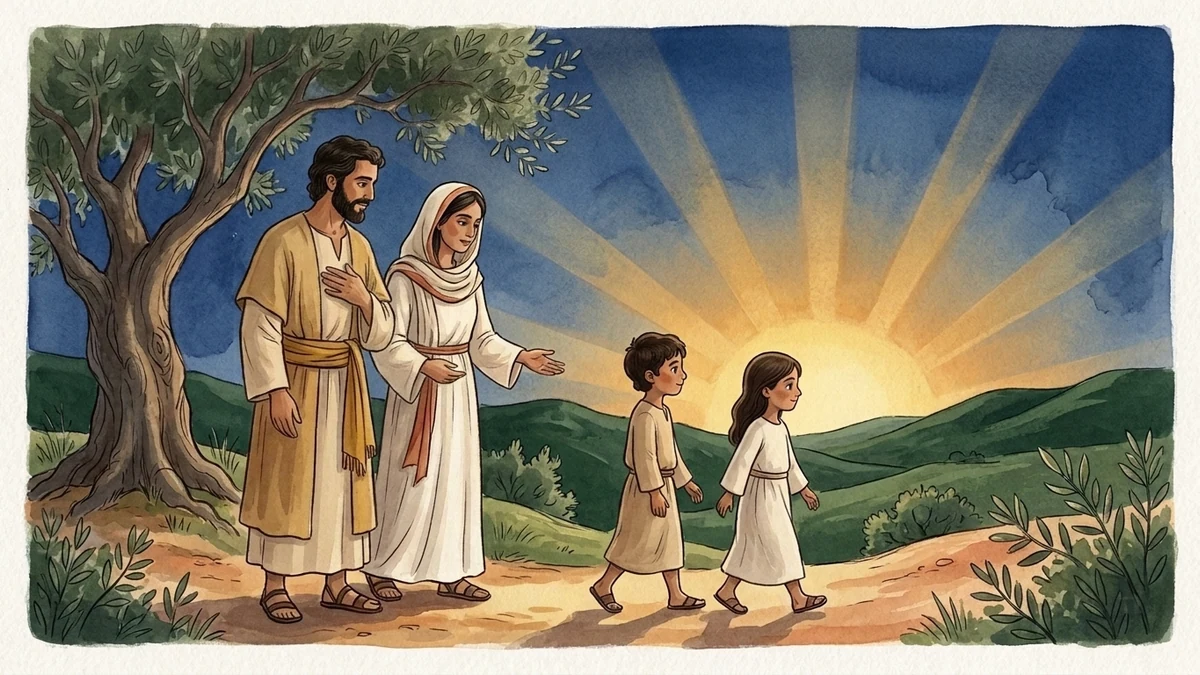
“Children are indeed a heritage from the LORD, and the fruit of the womb is His reward. Like arrows in the hand of a warrior, so are children born in one’s youth. Blessed is the man whose quiver is full of them. He will not be put to shame when he confronts the enemies at the gate.”, Psalms 127:3-5 (Berean Standard Bible, BSB)
The temptation to engineer every step of our children’s tomorrow
Few things steal sleep from mothers and fathers as quickly as picturing the world their children will grow into. Headlines about violence, economic instability, shifting moral standards, and digital pressures feed a low, constant fear. The question arrives uninvited: Are we preparing them well enough? Will they hold steady when we are no longer standing beside them?
When that concern goes unchecked, healthy care quietly mutates into suffocating control. Parents begin trying to anticipate every risk, map out every academic or career milestone, correct minor mistakes with sharp impatience, and carry the exhausting illusion that a child’s future safety depends entirely on flawless parental vigilance.
Psalm 127 pushes back directly against that burden. It never invites parents to become passive, yet it restores them to their rightful place inside the family: we are responsible stewards, never absolute owners of the lives entrusted to us.
The structure of Psalm 127: from human anxiety to God’s watch
In biblical tradition, Psalm 127 belongs to the “Songs of Ascents,” sung by pilgrims climbing toward Jerusalem for the annual feasts. Attributed to Solomon, the poem contains only five verses, arranged in two scenes that interpret each other.
The first scene opens with an unmistakable warning:
“A song of ascents. Of Solomon. Unless the LORD builds the house, its builders labor in vain; unless the LORD protects the city, its watchmen stand guard in vain.”, Psalms 127:1 (Berean Standard Bible, BSB)
Building a home and guarding a city were the two most urgent duties of any parent in ancient Israel: providing shelter and keeping the household safe. The psalmist is not telling the builder to drop his trowel or the watchman to abandon the wall. He is saying that human labor severed from God’s sovereign work turns into sterile strain and sleepless worry.
The Hebrew word for “house” (bayit) means both a stone dwelling and a family lineage. That is why, in verses 3 to 5, the writer moves seamlessly from the house being built to the children who fill it.
A borrowed heritage and arrows shaped for flight
When the psalmist declares that “children are indeed a heritage from the LORD,” he corrects our instinct of ownership. Modern culture often treats children as personal projects meant to validate their parents’ success. In Scripture, every child is a gift placed on loan by God. Parents receive the privilege of nurturing, feeding, correcting, and praying over that child for a brief span of years, yet the Creator knew every day of that life before the child took a first step across the living room.
Immediately afterward, the poem shifts to a vivid military image: “Like arrows in the hand of a warrior, so are children born in one’s youth.”
In the ancient world, an arrow did not arrive ready-made. A warrior had to choose straight wood, warm it over fire to work out bends, sharpen the tip, and attach feathers so it would hold a true line against the wind. All of that demanded patience, skill, and focused time.
Yet no arrow is crafted to sit inside a quiver until it rots. An arrow exists to be released, flying across open ground to reach targets the archer will never walk to himself. When mothers and fathers take that picture to heart, two truths settle into balance:
- Intentional shaping while they are home: you do not shoot a crooked arrow and hope the wind fixes it. Childhood and adolescence are the season for forming character, teaching the fear of the Lord, and laying down sturdy moral roots.
- Courageous release when the time comes: once the bowstring is drawn in prayer and the arrow is loosed, the archer does not sprint across the field trying to steer it midair with his hands. Its flight belongs to God.
Verse 5 closes with a civic, legal scene: “He will not be put to shame when he confronts the enemies at the gate.” In ancient cities, the gate was where courts convened and disputes were settled. Children raised in wisdom grow into upright adults able to stand firm for truth and care for aging parents without bending to intimidation.
Practical habits for parents who serve as stewards
Trade worst-case scenarios for specific prayer
When anxiety over a child’s future tightens your chest at night, stop rehearsing disaster scenarios in your head. Speak that child’s name aloud before God, acknowledge that he or she belongs first to the Lord, and entrust the next stage of their life to His watch.
Invest in character formation: not only achievement
Many parents burn out chasing top grades, packed schedules, and impressive resumes while neglecting unhurried conversations about honesty, kindness, self-control, and faith. A straight arrow matters far more than a gilded one.
Allow age-appropriate mistakes
Wise stewards do not shield children from every small frustration. Letting them experience the natural consequences of a poor choice, followed by calm conversation and support, builds the spiritual muscle they will need once they step outside the shelter of home.
Questions for personal or couple reflection
- In which area of your children’s lives has loving care quietly blended with anxiety and a need for control?
- Thinking of the arrow metaphor, what habit of character or biblical principle needs patient shaping in your home this season?
- How can you show practical trust in God the next time your children face a new step toward independence?
- What simple time each week can you set aside to pray together by name for each child’s spiritual and emotional future?
Frequently Asked Questions (FAQ)
What does it mean that children are a 'heritage from the LORD' in Psalms 127:3?
In biblical usage, a heritage is something precious belonging to a larger household and entrusted to someone's care for a season. Seeing children as God's heritage frees parents from both neglect and obsessive control, reminding them that their children belong first to the Lord.
What is the meaning of the metaphor 'arrows in the hand of a warrior'?
A skilled archer selects the wood, straightens the shaft, and sets the feathers carefully, yet an arrow is never meant to stay locked inside a quiver forever. It is shaped to be released toward a target beyond the archer's reach. In the same way, parents prepare children for life under God's care.
Why is Psalms 127:1 essential for reading verses 3 through 5?
The psalm opens by reminding us that 'unless the LORD builds the house, its builders labor in vain.' Without that anchor, parenting turns into exhausting anxiety. With it, parental effort finds peace because God Himself stands watch over the family.