
Genesis 26: Isaac's Wells of Living Water: Sowing Peace Instead of Fighting
Bible study of Genesis 26 for parents to teach children with practical lessons, playful activities, and family devotional questions.
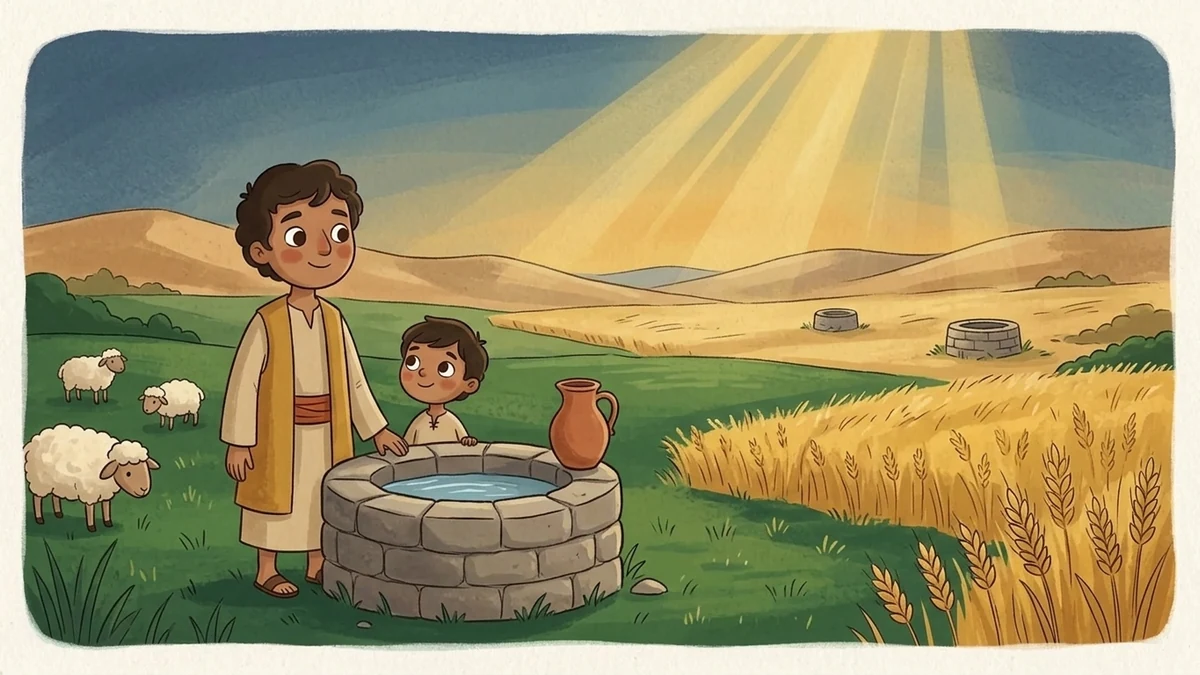
“Now there was another famine in the land, subsequent to the one that had occurred in Abraham’s time. And Isaac went to Abimelech king of the Philistines at Gerar. […] Now Isaac sowed seed in the land, and that very year he reaped a hundredfold. And the LORD blessed him, […] Isaac reopened the wells that had been dug in the days of his father Abraham, which the Philistines had stopped up after Abraham died. And he gave these wells the same names his father had given them. […] But the herdsmen of Gerar quarreled with Isaac’s herdsmen and said, “The water is ours!” So he named the well Esek, because they contended with him. […] He moved on from there and dug another well, and they did not quarrel over it. He named it Rehoboth and said, “At last the LORD has made room for us, and we will be fruitful in the land.” […] and that night the LORD appeared to him and said, “I am the God of your father Abraham. Do not be afraid, for I am with you. I will bless you and multiply your descendants for the sake of My servant Abraham.””, Genesis 26:1, 12, 18, 20, 22, 24 (Berean Standard Bible, BSB)
Children’s Metaphor to Explain Genesis 26: The gentle bandage that cleans and protects a scraped knee
When you tumble onto the sidewalk and scrape your knee, kicking the concrete or yelling back at the pebbles never makes the sting go away. In fact, fighting against the pavement only bruises your foot too! What truly brings healing is tender care: rinsing away the dirt, smoothing on a gentle bandage that cleans and protects the scraped knee, and resting until calm returns.
Arguments with classmates, neighbors, or siblings feel much like scratches on the heart. When someone pushes us or tries to steal our turn, snapping back with sharper words only rubs grit into the hurt. Healing begins when someone has enough gentle strength to refuse retaliation and keep sowing peace.
That quiet, patient courage shines brightly in Genesis 26, where Isaac stepped away from quarrels at the wells of Esek and Sitnah until God led his family to wide-open peace at Rehoboth.
The Story of Genesis 26 Explained for Children: Sowing in Drought and Digging for Peace
A severe famine swept across the land, reminding everyone of hard days back in Abraham’s time. Naturally, Isaac might have thought of fleeing down to Egypt where food was plentiful. Instead, God appeared and told him to stay right where He directed, promising to remain with him and bless him.
Isaac stayed in Gerar, ruled by King Abimelech of the Philistines. Like every real human being in the Bible, Isaac was not flawless. For a moment, fear crept in:
“But when the men of that place asked about his wife, he said, “She is my sister.” For he was afraid to say, “She is my wife,” since he thought to himself, “The men of this place will kill me on account of Rebekah, because she is so beautiful.””, Genesis 26:7 (Berean Standard Bible, BSB)
Even when Isaac stumbled in fear, King Abimelech noticed the truth and protected Isaac and Rebekah. Soon afterward, Isaac planted seed in that dry land, trusting God’s promise, and harvested a hundredfold in that very same year!
As Isaac’s flocks and herds multiplied, envy grew among the Philistines. To drive him out, they filled all of Abraham’s old wells with dirt, and Abimelech asked Isaac to move away. In a dry country, plugging up a well is almost like declaring war. Yet Isaac packed his tents quietly, moved into the valley of Gerar, and began reopening his father’s wells with care, even calling them by the exact names Abraham had used.
When Isaac’s servants dug down into the valley floor, they struck a bubbling spring of fresh, living water. Right away, the herdsmen of Gerar marched over shouting, “The water is ours!” Isaac could have armed his servants to fight for what he dug. Instead, he stepped back without striking back, named that well Esek (“dispute”), and dug somewhere else.
They dug a second well, and once more the neighbors came arguing. Isaac named it Sitnah (“opposition”) and moved on peacefully again. Finally, they dug a third well, and nobody came to quarrel. With deep relief, Isaac named it Rehoboth (“broad places”), rejoicing that at last the Lord had made room for his family!
Later, in Beersheba, God appeared to Isaac by night: “Do not be afraid, for I am with you.” Even more astonishing, King Abimelech soon traveled out with his commander to ask Isaac for a treaty of peace, admitting they could see God was with him. Instead of holding a grudge, Isaac hosted a warm feast for his former rivals, and that very day his servants ran in announcing they had found fresh water in a brand-new well!
Bible Curiosity to Share with Kids (Genesis 26): Chapter 26 has 35 verses and preserves four meaningful Hebrew well names: Esek means “dispute,” Sitnah means “opposition,” Rehoboth means “roomy or wide open spaces,” and Beersheba recalls the “well of the oath” where former rivals made peace.
How to Explain for Each Age (Guide for Parents)
-
For Little Ones (Ages 3 to 6): Sitting together in your reading corner, trace three circles in the air with your child: “Esek, uh-oh, fighting! Sitnah, still arguing! Rehoboth, wide-open arms of peace!” Show them that stepping away from a squabble over a toy does not make us weak; it keeps our hearts calm and happy with Jesus.
-
For Older Kids (Ages 7 to 12): Talk about the difference between cowardice and meekness. Yielding when someone tries to pick a fight at recess or grabs the best seat does not mean you failed; it takes real strength to trust God for your “Rehoboth” instead of trading insults, just as Proverbs 15 teaches about a gentle answer turning away wrath.
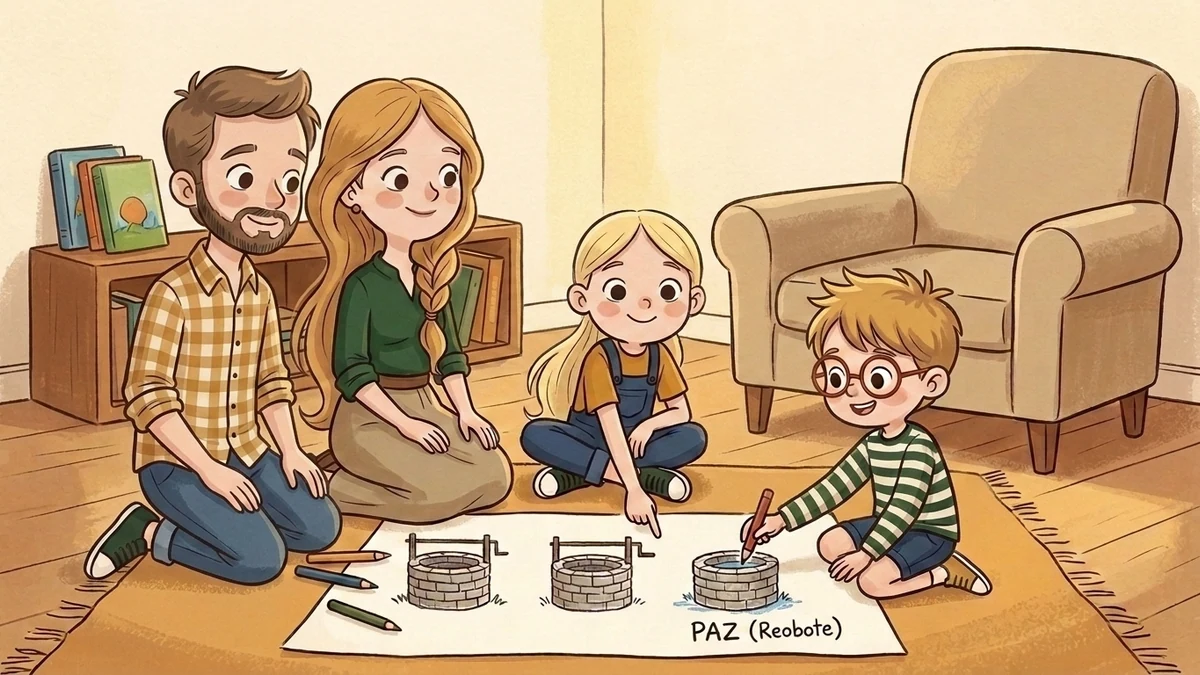
Quick 5-Minute Family Bible Activity on Genesis 26: Drawing the Three Wells
- What you will need: A blank sheet of paper and blue, brown, and green colored pencils.
- How to do it:
- Sketch three stone wells along a winding trail on your paper.
- Label the first two Esek and Sitnah, and talk openly about two everyday fights that pop up at home or school (arguing over games, pushing in line, or refusing to share).
- On the third well, draw sparkling blue water overflowing and write “PEACE (Rehoboth)” in bold letters, choosing one practical peacemaking habit to practice together this week.
How to Apply the Teaching of Genesis 26 in Daily Life with Your Kids
- Step away from unnecessary battles: Teach children to ask, “Is winning this argument worth losing peace in our home?” before snapping back at a sibling or friend.
- Keep sowing faithfully during hard seasons: Just as Isaac planted seed in a dry year because he trusted God’s word, keep doing homework, chores, and kind deeds steadily even when a week feels frustrating.
- Return kindness to rivals: Follow Isaac’s example of welcoming Abimelech with a feast by greeting someone who left you out with genuine friendliness.
Frequently Asked Questions (FAQ)
What do the names of Isaac's wells Esek, Sitnah, and Rehoboth mean in Genesis 26?
Each name tells part of Isaac's journey toward peace. Esek means dispute or quarrel, and Sitnah means opposition, marking the two wells neighbors fought over. When nobody argued over the third well, Isaac named it Rehoboth, meaning wide open space, thanking God for giving his family room to live.
Why did Isaac step away from quarreling herdsmen instead of fighting back in Genesis 26?
Isaac showed quiet wisdom and gentle strength. Trusting that God holds our future secure, he refused to waste his family's peace on bitter arguments over water. Later, when King Abimelech came seeking friendship, Isaac welcomed his former rivals with kindness and prepared a generous feast.
What does Isaac's hundredfold harvest during a famine in Genesis 26:12 teach children?
During a severe famine, planting seed seemed risky and uncertain. Yet Isaac obeyed God's instruction to stay in the land rather than flee to Egypt, and he sowed in faith. Reaping a hundredfold proved to his family that God provides abundantly even in the hardest seasons.