
The Peace of God That Guards the Heart and Mind in Christ
Bible study on Philippians 4:6-7 about anxiety and rest in Christ: how prayer with thanksgiving guards the heart and thoughts of a household.
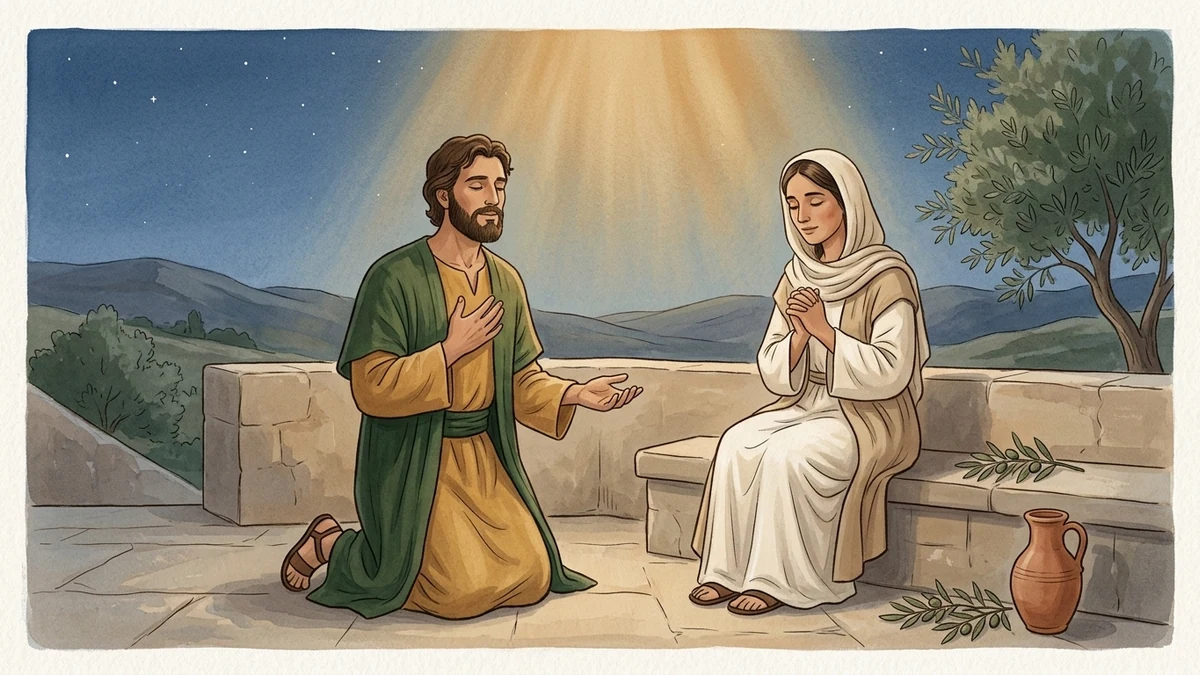
“Be anxious for nothing, but in everything, by prayer and petition, with thanksgiving, present your requests to God. And the peace of God, which surpasses all understanding, will guard your hearts and your minds in Christ Jesus.”, Philippians 4:6-7 (Berean Standard Bible, BSB)
Few things exhaust a household faster than the quiet pressure to anticipate every risk so nothing goes wrong. A racing mind works overtime, replaying expenses late at night, rehearsing difficult conversations, and trying to shield loved ones from scenarios that have not even happened. Under that constant alert, weariness settles deeper than tired muscles; it reaches the soul.
Inside daily family life, this kind of vigilance wears down patience at the dinner table and turns quiet evenings into silent battles with tomorrow. It is right inside that ordinary strain, where human control runs out, that Paul’s letter to the Philippians offers far more than a soothing slogan. It points to a real transfer of governance.
Written from confinement: not comfort
Paul did not compose Philippians 4:6-7 from a quiet retreat. He was under Roman custody, awaiting a verdict that could end in release or execution. The church in Philippi was also facing external hostility and internal friction that threatened its unity. The apostle understood uncertainty firsthand.
Immediately before verse 6, Paul writes a brief sentence that holds the whole passage together: “The Lord is near” (Philippians 4:5). Christian calm does not grow out of easy circumstances; it grows out of God’s nearness to His people. The word translated “anxious” comes from a Greek root describing a mind pulled apart in different directions. Paul calls believers to stop tearing their attention across hypothetical outcomes and gather every concern before the Father through steady prayer.
Prayer: petition: and the anchor of gratitude
The verse names three movements that belong together. First comes prayer, the broader posture of communion and worship before God. Second comes petition, the specific, honest request shaped by an urgent need. God does not ask for polished speeches; He welcomes plain words about what hurts or presses today.
The third element is often the hardest when tension runs high: thanksgiving. Giving thanks in the middle of a storm is neither denial nor forced cheerfulness. It is clear-eyed remembrance. Gratitude reminds the household that the God who carried it this far still governs what lies ahead. Without thanksgiving, prayer easily becomes a repetitive rehearsal of our worries.
The sentry stationed at the gates of the mind
What follows this surrender is not always an instant fix to every crisis, but something even more vital while we wait: “the peace of God, which surpasses all understanding, will guard your hearts and your minds in Christ Jesus.”
The verb “guard” belongs to military life and pictures a sentry keeping watch over a fortified city. Philippi was a Roman colony, accustomed to seeing armed guards patrolling walls and gates. Paul borrows that familiar sight to describe how the peace of God operates: it takes its post at the entrance of our emotions (heart) and thoughts (mind). Human understanding keeps trying to calculate an escape route; God’s peace outpaces those calculations and keeps panic from overtaking the inner life.
Right after this promise, Paul shows that spiritual peace also walks hand in hand with deliberate stewardship of what we allow our minds to dwell on:
“Finally, brothers, whatever is true, whatever is honorable, whatever is right, whatever is pure, whatever is lovely, whatever is admirable—if anything is excellent or praiseworthy—think on these things.”, Philippians 4:8 (Berean Standard Bible, BSB)
Practical habits for a steadier home
Moving from restlessness to trust happens through small, repeated choices inside normal family rhythms:
- Name the fear specifically before God: Instead of letting vague dread circulate in your head, turn each concern into a concrete petition in prayer, whether it involves health, finances, or your children.
- Practice gratitude before sleep: Before turning off the lights, recall with your spouse or in quiet prayer at least two tangible signs of God’s care from this week, however modest.
- Watch the final input of the evening: Notice what occupies the last twenty minutes of the night at home. Alarming headlines and endless scrolling feed anxious vigilance; trading part of that habit for Scripture or unhurried conversation helps the heart settle.
Questions for reflection
- When pressure rises at home, is your first instinct to troubleshoot every detail alone or to present specific requests to God?
- Which recurring worries have dominated your thoughts this week and need to be placed before the Lord with thanksgiving today?
- How can your household protect its tone during tense days, replacing sharp impatience with shared prayer?
Frequently Asked Questions (FAQ)
Does Philippians 4:6 mean that feeling anxious is always a personal failure?
Scripture acknowledges human frailty and offers a clear path forward rather than shame. The Greek verb Paul uses describes a divided mind pulled in competing directions. The biblical remedy is not pretending to feel calm, but bringing each concrete fear directly to God in prayer.
Why does Paul pair thanksgiving with requests in Philippians 4:6?
Thanksgiving keeps prayer from turning into an anxious loop around the problem. Giving thanks in uncertainty anchors memory in God's past faithfulness and steadies the heart while waiting for His response.
What does it mean that God's peace will 'guard your hearts and your minds'?
Paul uses a military term for a garrison or sentry protecting a city gate. To believers in Philippi, a Roman colony familiar with stationed soldiers, the image was unmistakable: God's own peace stands watch over our emotions and thoughts against the siege of fear.