
They Will Still Bear Fruit in Old Age: Flourishing in the Courts of the Lord
Bible study on Psalms 92:12-15 (8 min) about mature years and gratitude: those planted in God's house keep bearing wise, sweet fruit in old age.
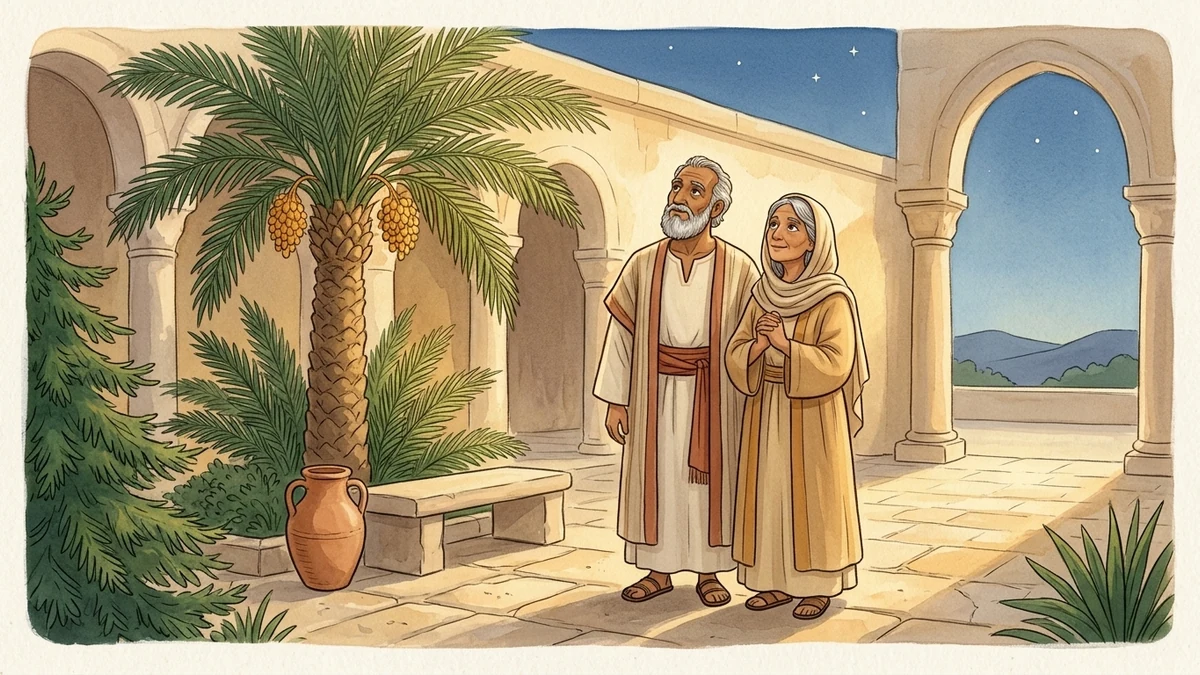
“The righteous will flourish like a palm tree, and grow like a cedar in Lebanon. Planted in the house of the LORD, they will flourish in the courts of our God. In old age they will still bear fruit; healthy and green they will remain, to proclaim, “The LORD is upright; He is my Rock, and in Him there is no unrighteousness.””, Psalms 92:12-15 (Berean Standard Bible, BSB)
When the Calendar Clears and Quietness Raises Questions
There is a particular morning that catches many people off guard. After decades of early alarms, urgent deadlines, and feeling that the household or workplace leaned on your energy, the rush suddenly subsides. Children have built their own homes, retirement has arrived, or the body simply asks for a gentler pace. Sitting in a quiet living room after breakfast, an unwelcome question often surfaces: has my useful season already passed?
The surrounding culture rarely helps us answer that question with peace. We live inside a mindset that quietly equates human worth with speed, physical stamina, and visible output. Once strength shifts or a professional title fades, it is easy to assume that only a sidelines role remains. For anyone who has poured years into raising a family and carrying daily responsibilities, this transition can bring a quiet fear of becoming irrelevant or burdensome.
Psalm 92 steps directly into that tender transition, not with hollow optimism, but with an entirely different reckoning of time.
Rooted in the Sabbath: Fruitful in Maturity
Before reaching its closing promises about old age, the psalm opens with a telling superscription:
“A Psalm. A song for the Sabbath day. It is good to praise the LORD, and to sing praises to Your name, O Most High,”, Psalms 92:1 (Berean Standard Bible, BSB)
Psalm 92 is the only psalm in the Psalter explicitly titled for the Sabbath. In Israel’s rhythm of life, the Sabbath was the day to lay down tools and remember that existence is upheld not by restless striving, but by the faithfulness of the Creator. Throughout the poem, the writer contrasts two kinds of growth. The wicked spring up quickly like grass in the field (v. 7), drawing attention for a brief moment before withering; the righteous, by contrast, grow at the unhurried, enduring pace of the palm tree and the cedar of Lebanon (v. 12).
Those two trees were chosen with care. A date palm in the ancient Near East thrives in harsh heat because its roots reach deep underground water, and its sweetest clusters often come after decades of growth. The cedar of Lebanon stands for centuries against mountain winds, anchored by a broad root system.
The secret behind this endurance appears in verse 13: they are “planted in the house of the LORD.” Anyone whose identity rests solely on a job title or external applause dries up when circumstances shift. Those whose roots are sunk into fellowship with God keep drawing fresh sap even as outer seasons change. Verse 15 then names the purpose of that late-season vigor: to proclaim that the Lord is upright, a steady Rock in whom there is no unrighteousness. Christian maturity is not meant to store away memories in silence; it exists to bear living witness to a God who kept every promise along the road.
Concrete Ways to Live Out This Season
Walking in the promise of Psalms 92:12-15 calls for intentional habits at home and in the local church:
- Trade quiet nostalgia for deliberate testimony. Instead of keeping past mercies to yourself, tell your children, grandchildren, or younger believers specific moments when God carried you through hard terrain. Shared spiritual memory becomes solid ground for those just starting out.
- Embrace the ministry of presence and intercession. As physical pace slows, use unhurried hours with purpose: pray by name for family members, send a thoughtful note of encouragement, or invite someone over for unhurried conversation. Calm listening from someone who has walked many miles is a rare gift.
- Keep the daily rhythm of praise. Begin or end the day reading a psalm aloud, thanking God not only for what you can still accomplish, but for who He has proven Himself to be from your youth until today.
Questions for Personal Reflection or Family Conversation
- Where have you been looking for your sense of worth lately: in what your hands produce, or in being planted in the house of the Lord?
- What real story of God’s faithfulness in your life needs to be told to the next generation of your family before it fades?
- If you have aging parents or grandparents in your life, what practical gesture today can show them how deeply their wisdom and presence still matter at home?
Frequently Asked Questions (FAQ)
Why does Psalms 92:12 compare the righteous to a palm tree and a cedar in Lebanon?
In the ancient Near East, the date palm stood for uprightness, endurance in arid climates, and steady yield, while the cedar of Lebanon represented longevity, strength, and deep roots. Together, both images show that those who trust God keep their spiritual vitality across the decades.
How can a believer handle the loss of identity after retirement?
Psalms 92:13-14 shifts our sense of usefulness from workplace output to belonging to God: the believer is planted in the courts of the Lord. In mature years, the focus moves from hurried productivity to passing on wisdom, praying faithfully, and testifying that the Lord is upright.
What is the connection between the Sabbath in Psalms 92:1 and fruitful old age?
Psalms 92 is a song for the Sabbath day, when Israel ceased daily labor to rest and worship. It teaches that rest and praise are not wasted pauses, but the very source of strength that sustains a believer into old age.