
Even to Your Old Age and Gray Hairs I Am He, I Will Carry You
Bible study on Isaiah 46:3-4 (18 min) about mature years and gratitude: the God who carried you from the womb promises to sustain you to gray hairs.
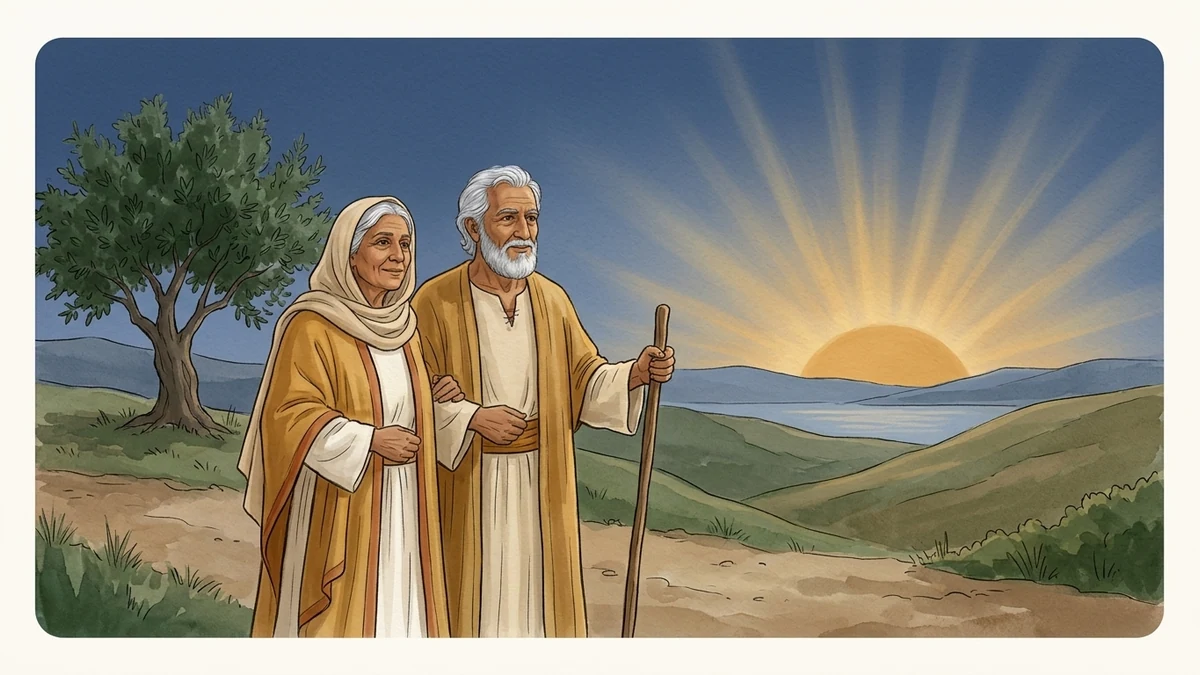
““Listen to Me, O house of Jacob, all the remnant of the house of Israel, who have been sustained from the womb, carried along since birth. Even to your old age, I will be the same, and I will bear you up when you turn gray. I have made you, and I will carry you; I will sustain you and deliver you.”, Isaiah 46:3-4 (Berean Standard Bible, BSB)
When the Body Shifts and Tomorrow Feels Uncertain
Growing older rarely unsettles us for one dramatic reason. More often, insecurity creeps in through ordinary moments: waiting for test results, noticing a knee that hesitates on the stairs, blanking on a familiar name mid-sentence, or needing help with tasks you once handled without a second thought.
For anyone who has long been the steady pillar of the household, that quiet reversal can sting more than any medical chart. Parents sometimes hide aches so they will not worry their adult children, and spouses exchange silent glances wondering what the next decade will bring. The wisdom gathered over the years helps us accept many changes, yet it does not automatically quiet the dread of losing independence or watching health decline at home.
Right into that honest vulnerability, the prophet Isaiah speaks one of the gentlest assurances in all of Scripture.
Idols That Weigh You Down vs. a God Who Carries You
To feel the full weight of Isaiah 46:3-4, it helps to read the two verses right before it. The chapter opens with a vivid, almost ironic scene along the roads of ancient Babylon. Bel and Nebo, the empire’s two greatest deities, have toppled from their pedestals. Their heavy statues of gold and wood are strapped onto exhausted donkeys and oxen, animals stumbling under the load as people flee an invading army. Those gods could rescue no one; instead, they turned into heavy luggage for their own followers.
Immediately after that picture, God turns to the remnant of Israel and says, “Listen to Me, O house of Jacob.” The point is unmistakable. Gods shaped by human hands must be carried by the people who trust them, and in a crisis they crush the shoulders of their worshipers. With the living God, the weight moves in the opposite direction.
He begins by reminding His people where their story started: “who have been sustained from the womb, carried along since birth.” No person entered this world self-sufficient. Long before we had strength to work, plan, or manage a family, we were already upheld. Now, facing gray hairs, the Lord stacks up four verbs of active care in verse 4: I will carry you, I have made you, I will sustain you, and I will deliver you.
At the heart of this promise stands a steady anchor: “Even to your old age, I will be the same.” Everything around us shifts over the decades. Houses fill up and grow quiet again, old friends pass on, routines change, and physical strength ebbs. The one unchanging constant between the cradle and gray hair is the character of the Creator. In the very next verse, He presses that truth home with a question that silences every rival:
“To whom will you liken Me or count Me equal? To whom will you compare Me, that we should be alike?”, Isaiah 46:5 (Berean Standard Bible, BSB)
No retirement account, medical plan, or personal willpower can promise what God promises here. Those tools are wise to steward, yet whenever they take the place of ultimate security, they turn into fragile idols like Bel and Nebo, leaving us exhausted from trying to hold them up. Mature peace returns when we hand back to the Lord the role that has always belonged to Him.
Faith That Deepens Through Frailty
Scripture never romanticizes aging or pretends that physical limits are painless. Isaiah 46 itself was written for a weary people scarred by loss and exile. What sets biblical faith apart is how it interprets frailty.
When our own reserve of energy runs thinner, we are invited back to a truth that busy midlife years often hide: we have always been carried by grace. Accepting help, adjusting our pace, and naming our limits do not diminish a believer’s dignity. Instead, gratitude for the miles already crossed begins to heal anxiety over the stretch ahead.
For children and grandchildren walking beside aging loved ones, Isaiah 46 carries a clear calling as well. If God Himself refuses to discard or abandon those with gray hair, a Christian household is called to mirror that patient care, listening without rush and honoring the story of those who came before.
Three Practical Habits for Peace in Mature Years
1. Answer anxious forecasts with a record of faithfulness
When your mind begins rehearsing worst-case scenarios for the coming years, interrupt the spiral with concrete history. Write down or talk with your spouse about three seasons in your life when the road seemed blocked and God made a way. Remembering where He has already carried you strengthens trust for what lies ahead.
2. Speak openly about changing limits at home
Resist the quiet pride that hides pain, fear, or practical struggles until they turn into emergencies. Talking honestly with your spouse or adult children about doctor visits, daily routines, and future needs allows care to unfold calmly before exhaustion sets in.
3. Hand tomorrow’s unknowns to God by name
Before going to sleep, rather than carrying vague worries about health or finances, name each concern plainly before the Lord. Read Isaiah 46:3-4 aloud and return the weight of tomorrow to the One who never outsources the care of His people.
Questions for Personal Reflection or Family Conversation
- What modern “idols” (such as total self-reliance, tight control, or fear of needing others) have been stealing your peace as you think about growing older?
- Looking back to your youth, when was God’s sustaining hand clearest at a time when you had no strength to carry yourself?
- In what practical way can your family make conversations about health, time, and mutual care gentler and fuller of grace in this season?
Frequently Asked Questions (FAQ)
What is the central contrast in Isaiah 46:1-4?
In verses 1 and 2, Isaiah depicts the Babylonian idols Bel and Nebo being loaded as heavy burdens onto weary animals. In verses 3 and 4, God contrasts Himself with them: rather than demanding to be carried by His worshipers, the Lord promises to carry Israel from the womb to gray hairs.
What does 'I will be the same' mean in Isaiah 46:4?
The declaration 'I will be the same' points to the unchanging character of God. While human bodies, stamina, and outward circumstances shift with age, the Lord's faithfulness and tender care remain identical from the start of life to the end.
How can Isaiah 46:3-4 help when an aging loved one fears losing independence?
The passage reminds us that dependence is not failure, since every human life begins entirely upheld by God from the womb. At home, families can listen to those fears without brushing them aside, recall past deliverances in prayer, and plan care with honor and calm.