
If the Son Sets You Free, You Will Be Free Indeed
Bible study on John 8:31-36 about habits, addiction, and true freedom in Christ. Discover why the Son sets free those tired of fighting alone.
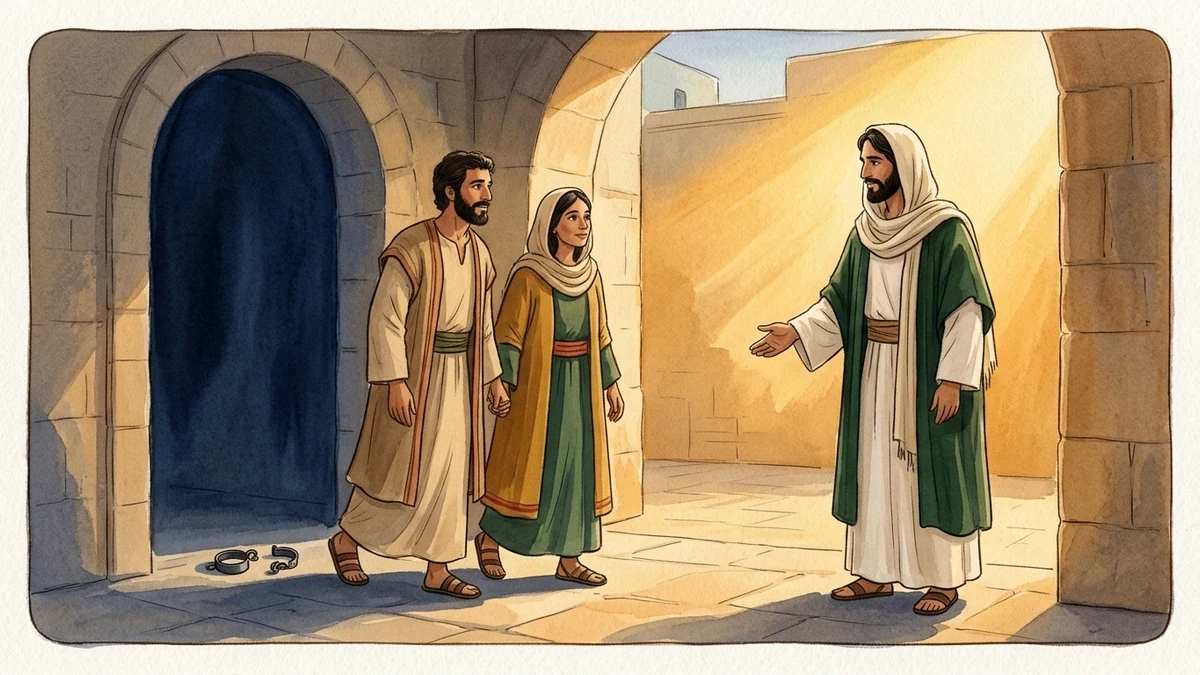
“So He said to the Jews who had believed Him, “If you continue in My word, you are truly My disciples. Then you will know the truth, and the truth will set you free.” “We are Abraham’s descendants,” they answered. “We have never been slaves to anyone. How can You say we will be set free?” Jesus replied, “Truly, truly, I tell you, everyone who sins is a slave to sin. A slave is not a permanent member of the family, but a son belongs to it forever. So if the Son sets you free, you will be free indeed.”, John 8:31-36 (Berean Standard Bible, BSB)
When Willpower Runs Out
There is a particular kind of exhaustion known only to people who have sworn to themselves dozens of times that “this was the last time.” It might be a late-night habit hidden behind a glowing screen, compulsive spending or eating used to numb stress, harsh outbursts that wound your family, or an old pattern that quietly returns whenever pressure mounts. After the fall comes guilt; after guilt comes a strict new resolution; and a few weeks later, the exact same cycle starts again.
Trying to defeat an inner bondage alone slowly drains hope. You begin avoiding prayer out of shame, hiding the struggle from your spouse or close friends, and wondering whether lasting change is even possible. Into that quiet discouragement speaks the clear voice of Jesus in John 8.
The Dialogue in John 8: From False Autonomy to the Son’s Freedom
The setting is the temple courts in Jerusalem right after the Feast of Tabernacles. Jesus is speaking with Jewish listeners who had expressed an initial belief in Him, yet whose grasp of His mission remained shallow. When He tells them that the truth will set them free, He touches a nerve of pride: “We are Abraham’s descendants… We have never been slaves to anyone.”
Their reply sounds almost ironic given Israel’s history and the Roman soldiers stationed nearby. Yet it exposes a timeless human reflex: our reluctance to admit we are trapped. How often do we do the same at home? We protect our spiritual reputation, point to years of church attendance, or insist we have everything under control, even while a hidden habit quietly dictates our mood and our evenings.
Jesus cuts through that denial with surgical honesty: everyone who sins (meaning a settled pattern of giving in to sin) is a slave to sin. No one outmuscles a demanding master through private promises alone. A slave holds no power to sign his own release papers, nor any guarantee of staying in the household.
That is where verse 36 turns the corner. Only the Son belongs to the family forever, and only the Son holds authority to liberate the captive and bring him home. Christian freedom is not a self-improvement project where you white-knuckle your way into God’s approval. It begins when you admit your helplessness and remain in Christ’s Word, letting Him address the root of your desire while bringing true peace to your conscience. Just one verse later, Jesus explains why His listeners remained resistant:
“I know you are Abraham’s descendants, but you are trying to kill Me because My word has no place within you.”, John 8:37 (Berean Standard Bible, BSB)
Without real room for Christ’s Word inside the heart, moral resolutions rarely survive the next storm.
Practical Ways to Walk in That Freedom Today
- Trade secrecy for honest light: Destructive habits thrive in isolation. If you have been fighting alone for years, break the silence by opening up to a trustworthy spouse, pastor, or mature Christian friend who can pray with you and check in regularly.
- Practice daily abiding, not crisis-only reading: Jesus ties freedom to continuing in His word. Do not wait until temptation knocks to open your Bible. Set aside ten steady minutes each morning to read a portion of the Gospels and pray candidly about the pressures ahead.
- Reshape the environment around your triggers: Relying on Christ does not excuse ignoring practical wisdom. If a certain hour, app, conversation, or late-night routine repeatedly opens the door to failure, remove the easy access and replace that time with healthy connection at home.
Questions for Reflection
- Where in my daily routine have I kept saying “I can quit whenever I want,” avoiding the humility of asking Christ and trusted believers for help?
- Am I mainly looking for relief from guilt after I stumble, or am I staying in Jesus’ Word each day so it reshapes what I crave?
- If I share life with a spouse or family, how can we build more honesty and less fear into our conversations about personal struggles?
Frequently Asked Questions (FAQ)
What does 'continue in My word' mean in John 8:31?
In Jesus' dialogue in John 8, continuing in His word means more than briefly agreeing with a religious idea. It means dwelling steadily in Christ's teaching, allowing Him to confront our illusions of self-sufficiency and reshape our daily decisions.
Why did Jesus' listeners object that they had never been slaves to anyone?
Even while living under Roman rule, those speakers leaned on their spiritual pedigree as descendants of Abraham. They failed to see the deeper bondage: anyone who practices sin becomes enslaved to it, unable to buy their own freedom through heritage or moral effort.
What is the contrast between the slave and the son in verse 35?
In an ancient household, a slave had no permanent standing and could be sent away at any time. A son, however, belongs to the family forever with the authority of an heir. When Christ sets us free, He does more than break one bad habit; He gives us a secure place as children in God's household.