
If Any of You Lacks Wisdom, Let Him Ask of God Who Gives Generously
In-depth Bible study on James 1:5-6 about wisdom, undivided faith, and difficult choices at home and work. God gives generously without finding fault.
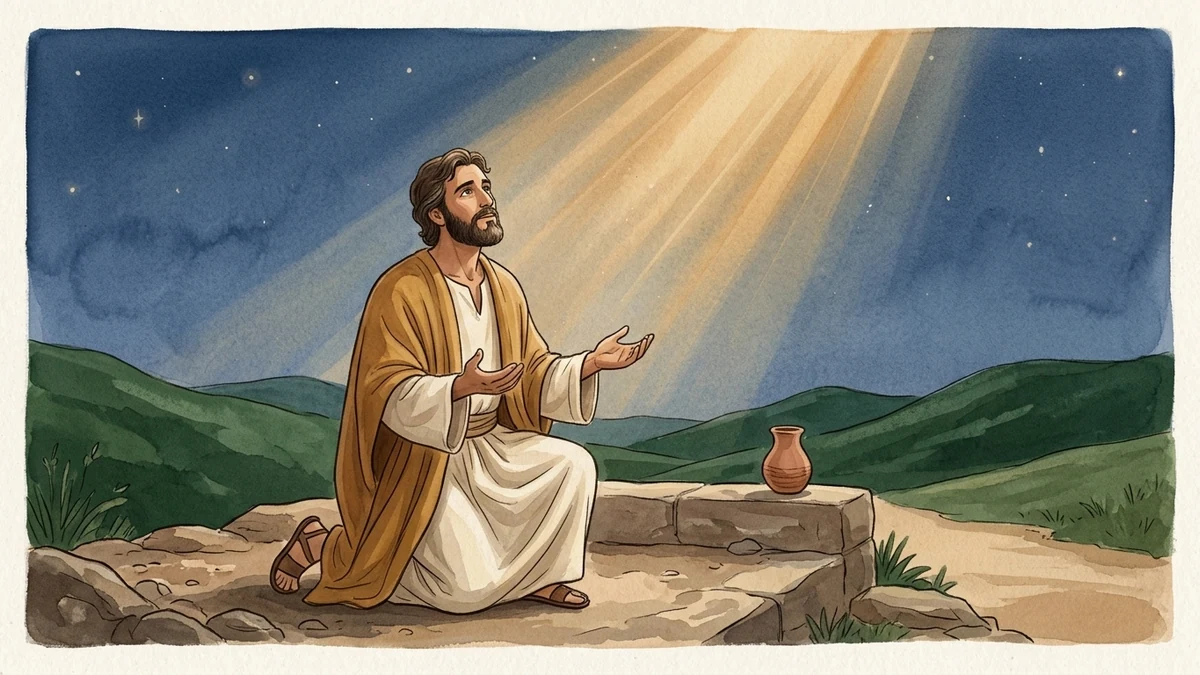
“Now if any of you lacks wisdom, he should ask God, who gives generously to all without finding fault, and it will be given to him. But he must ask in faith, without doubting, because he who doubts is like a wave of the sea, blown and tossed by the wind.”, James 1:5-6 (Berean Standard Bible, BSB)
When two doors both feel too heavy
There are seasons in adult life when the real struggle is not a shortage of options, but the weight of the consequences attached to each choice. A job offer that requires uprooting the household, a financial shift that alters your children’s routine, caring for aging parents, or a sensitive decision about schooling and time at home. When two paths look equally risky or equally reasonable, the quiet inside your mind can grow loud.
At those crossroads, exhaustion often sets in long before an answer arrives. We spend days writing lists of pros and cons, gathering conflicting advice, and trying to forecast scenarios well beyond our control. Everyone under the roof notices when the person leading the family has a divided mind. Patience grows thin, sleep becomes shallow, and even ordinary conversations carry the tension of needing to settle something that has not yet ripened.
James writes directly into that kind of uncertainty. He is not addressing people with easy schedules, but scattered believers facing unstable circumstances and costly decisions. Opening Scripture to James 1:5-6 offers an invitation that disarms self-reliance and brings relief to anyone willing to admit they cannot see the way forward alone.
The context of James 1 and the biblical meaning of wisdom
The letter of James belongs to the New Testament wisdom tradition, echoing both Proverbs and the Sermon on the Mount. Chapter 1 contains 27 verses and opens by addressing the various trials that test a believer’s faith. Right after stating that testing produces perseverance and maturity (James 1:2-4), James introduces verse 5 with a natural link: if walking through trials requires discernment we do not yet possess, where should we turn?
In biblical thought, wisdom (sophia) never means abstract cleverness or shrewdness for personal gain. Wisdom is the practical skill of living before God in concrete situations, aligning choices, speech, and priorities with the character of the Creator. Lacking wisdom does not mean lacking intelligence or professional competence; it means the heart needs spiritual light to discern what truly builds up the home and honors Christ, especially when raising children under pressure.
Notice the two descriptions of God’s character in verse 5. First, He gives generously (from the Greek haplos, conveying simplicity, wholeheartedness, giving with no hidden agenda). God does not ration guidance in small drops to keep us anxious. Second, He gives without finding fault. How often do we avoid asking someone for help because we expect a lecture about our past blunders? Our heavenly Father does not shame us for reaching our limit. He does not throw old failures in our face before lighting up the next step.
Immediately afterward, however, James places a sobering condition in verse 6, reinforced by verse 7:
“That man should not expect to receive anything from the Lord.”, James 1:7 (Berean Standard Bible, BSB)
The warning against doubting is not a condemnation of human fear or honest questions. The Greek term points to inner division, the hesitation of someone who wants God’s blessing while refusing to surrender personal control. The picture of a sea wave driven by the wind portrays a person without an anchor: trusting Scripture one morning, panicking over circumstances by evening; praying for direction on Sunday, yet already leaning toward the most convenient or worldly option on Monday. Verse 8 describes such a person as “double-minded, unstable in all his ways.”
The danger of haste and the illusion of control
Many poor decisions at home do not stem from malice, but from haste. When uncertainty feels unbearable, we crave any quick answer just to quiet the anxiety of the moment. That urgency pushes us into commitments that steal peace around the table, financial burdens that stretch the household thin, or avoided conversations that only deepen distance.
Biblical faith trains us to endure the waiting period without manufacturing shortcuts. The Apostle Paul reminds the believers in Rome why Scripture was preserved for us:
“For everything that was written in the past was written for our instruction, so that through endurance and the encouragement of the Scriptures, we might have hope.”, Romans 15:4 (Berean Standard Bible, BSB)
Endurance and encouragement belong together. Reading Scripture unhurriedly reveals that God rarely hands us a ten-year blueprint; far more often, He illuminates today’s step so we learn to depend on Him tomorrow. This divine pattern protects a household from arrogance when plans succeed and from despair when plans change.
Notice too that James writes in the plural (“if any of you…”). Seeking wisdom is not meant to be an isolated solo project. Even when final responsibility rests on a husband and wife or on parents, discernment matures best through honest conversation at home and sober counsel from mature believers. Isolation feeds anxiety; Christian fellowship restores perspective.
Seeking practical direction without losing peace
Applying James 1:5-6 to a hard choice requires more than repeating a verse as a comforting slogan. It calls us to align our minds, schedules, and household conversations with a genuine willingness to obey what God shows.
1. Name your specific need before God
Instead of offering vague prayers asking that everything turn out fine, be concrete. Tell the Lord exactly where you feel blind: whether you lack clarity about long-term fruit, fear losing financial security, or sense pride pulling at your motives. Honesty is the doorway to humility, and God responds to humility.
2. Examine the hidden motives behind each option
Before choosing between two paths, ask yourself and your spouse what truly draws you to each alternative. One option may promise higher status or immediate comfort while costing your family’s spiritual health or presence at home. Another may look modest on paper yet protect your peace of conscience and time together. Wisdom from above always values character and peace above appearances.
3. Pursue unity at home before closing doors
If you are married, avoid making structural decisions driven solely by personal enthusiasm or fatigue. Listen to your spouse’s reservations with respect. God often uses the sensitivity of the other person to expose a blind spot we could not see on our own. Until shared peace and reasonable clarity emerge, it is wiser to take one more step of prayer before signing contracts or making binding promises.
4. Decide with courage and entrust the outcome
Once you have prayed sincerely, searched Scripture, listened to mature counsel, and sought unity at home, do not stay paralyzed by the fear of getting something wrong. Undivided faith also appears when we step forward with a clear conscience, trusting that God’s sovereignty is larger than our imperfections. If a course correction is needed later, the same generous Father will continue guiding your steps.
Study and conversation plan for this week
Set aside about thirty minutes in a quiet moment at home, away from screens, to turn this study into concrete practice.
- Unhurried reading (10 minutes): Read James 1:1-12 aloud. Notice how the request for wisdom sits right between enduring trials and receiving the crown promised to those who persevere.
- Honest examination (15 minutes): Talk with your spouse, or journal if you are studying alone, about the decision currently weighing heaviest on your mind. Identify any area where your heart feels split between honoring God and protecting comfort or appearances.
- Prayer of surrender (10 minutes): Lay both options before the Lord in plain words, asking Him to shut doors that are not from Him and grant steady peace to walk through the right one.
Questions for personal or marital reflection
- Which current decision leaves you feeling most in need of clarity, and what has kept you from admitting that limit simply before God?
- Looking at the options before you today, which path better protects the spiritual health and daily fellowship of your household, even if it requires giving up an immediate advantage?
- In what areas of your routine have you noticed your mind tossing like a wave, demanding human guarantees before resting in the Father’s faithfulness?
- Which mature mentor or trusted Christian couple could you ask for sober, outside perspective on this season?
Frequently Asked Questions (FAQ)
What does James mean by 'lacks wisdom' in the context of chapter 1?
In the immediate flow of James 1:2-4, wisdom is not mere academic knowledge or technical skill, but the spiritual discernment to respond faithfully to trials and choose paths that honor God without losing integrity.
Why does the text emphasize that God gives 'without finding fault'?
Unlike human counselors who sometimes demand perfection or bring up past mistakes before helping, God welcomes those who admit their inability. He does not humiliate anyone who comes in humility asking for light.
What does it mean to ask 'without doubting' in James 1:6?
It is not the absence of honest questions, but the refusal to hold a divided heart split between trusting God and clinging to solutions that contradict His will. Someone tossed like a wave loses the steadiness required to follow the direction received.