
For I Know the Plans I Have for You: A Future and a Hope
Bible study on Jeremiah 29:11-13 about purpose and hope in exile: the true context of the promise, the call to sincere prayer, and how to rebuild daily life.
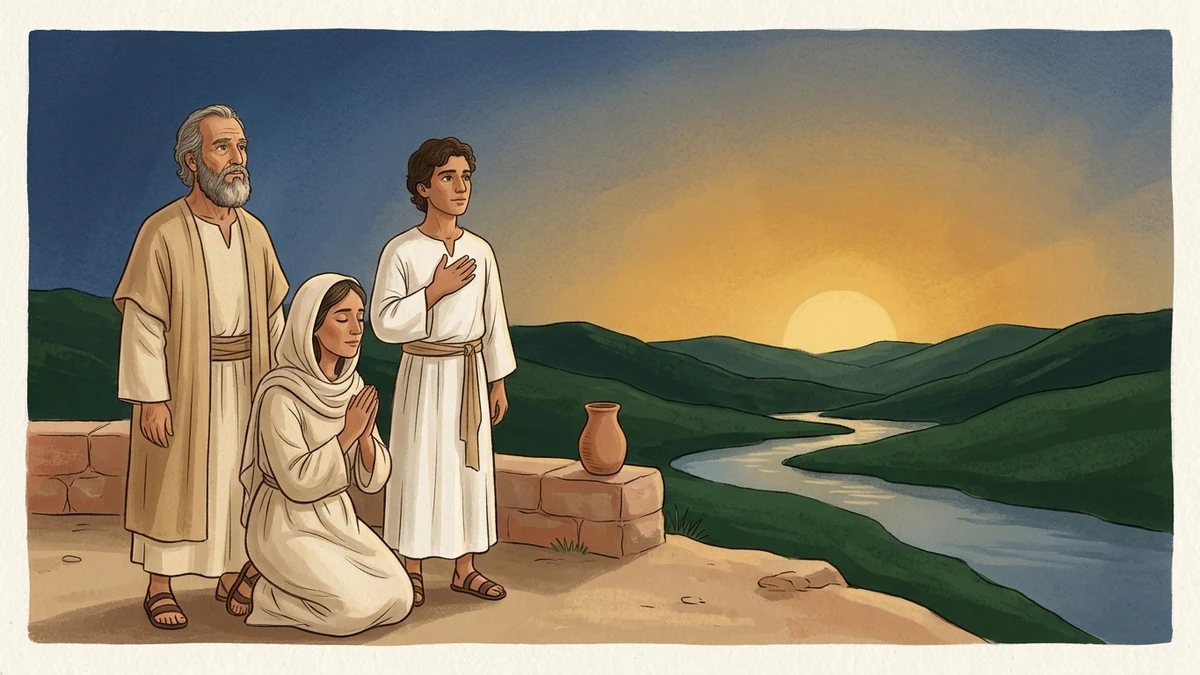
“For I know the plans I have for you, declares the LORD, plans to prosper you and not to harm you, to give you a future and a hope. Then you will call upon Me and come and pray to Me, and I will listen to you. You will seek Me and find Me when you search for Me with all your heart.”, Jeremiah 29:11-13 (Berean Standard Bible, BSB)
When Tomorrow Feels Like a Dark Room
Few things shake the steadiness of a household quite like realizing that long-term plans have lost their footing. Sometimes it happens after a sudden layoff, the closing of a family business, a forced move to another city, or the quiet realization that years have passed and life has not taken the shape we expected. The fear that the future is uncertain or that our story has lost its direction often walks right in without knocking.
In seasons like that, the most common temptation is to slip into suspended animation. We stand staring at the exit door of the crisis, postponing honest conversations, simple joys, and steady projects until “things go back to normal.” Meanwhile, impatience grows around the table, and doubt whispers that God has misplaced our address.
It is precisely to people whose familiar ground had vanished that Jeremiah 29:11-13 was written. When we read this passage inside its real historical frame, it stops being a decorative wall plaque and becomes solid food for walking through long stretches of uncertainty.
A Letter to the Exiles: Hope Without Illusion
Jeremiah 29:11 is one of the most quoted verses in Scripture, yet it is almost always lifted away from the rest of the letter. To hear what God actually said there, we have to step back a few verses in the same chapter.
Jeremiah writes from Jerusalem to the elders, priests, prophets, and ordinary families who had been deported by Nebuchadnezzar to Babylon. These were people who had watched their homes burn and now lived in a foreign land surrounded by an idolatrous culture. Back in exile, false prophets were feeding the illusion that everything would wrap up quickly and everyone would be home in two years.
Jeremiah’s letter brings hard news before bringing comfort: the exile would not last two years, but seventy years. There would be no magic shortcut. And what did God instruct them to do during that long wait? Build houses and live in them, plant gardens and eat their produce, see their sons and daughters married, and seek the peace of the city where they had been carried. In other words, God called those families to live faithfully and purposefully right in the hard place where they stood, without putting life on hold while waiting for an immediate rescue.
Only after laying down that realistic ground does the Lord declare: “For I know the plans I have for you, declares the LORD, plans to prosper you and not to harm you, to give you a future and a hope.”
Notice the weight of that statement. God does not say the exile will be painless or brief; He says the exile is not the final chapter. God’s plans for His people are not for their ruin (“not to harm you”), but for wholeness and peace (shalom), pointing toward a future and a hope.
Even more, that promise does not breed passivity. In verses 12 and 13, God shows what keeps the heart alive during the wait: “Then you will call upon Me and come and pray to Me, and I will listen to you. You will seek Me and find Me when you search for Me with all your heart.” The deeper aim of the trial was not merely counting days on a calendar until return, but learning to seek the Lord with an undivided heart. In the very next verse, God seals that covenant:
“I will be found by you, declares the LORD, and I will restore you from captivity and gather you from all the nations and places to which I have banished you, declares the LORD. I will restore you to the place from which I sent you into exile.””, Jeremiah 29:14 (Berean Standard Bible, BSB)
For a Christian family today, the lesson is unmistakable: even when circumstances slip out of our control, our lives are not drifting aimlessly. The One who governs tomorrow is the same God who lets Himself be found today through honest prayer and His Word.
Living with Purpose in Uncertain Seasons
Putting Jeremiah 29:11-13 into practice at home means trading anxious paralysis for daily faithfulness:
- Stop putting life on pause while waiting for answers: Just as the exiles were told to plant gardens and care for their households in Babylon, keep tending your table, your marriage, your children’s upbringing, and today’s work with care, even if this is not the permanent season you would have chosen.
- Be wary of easy promises that skip patience: Biblical faith does not require denying present hardship in order to sound spiritual. It names the long road honestly and trusts that God walks beside us through it.
- Turn worry into specific prayer (Jeremiah 29:12): When fear of tomorrow strikes, instead of rehearsing the problem out loud for hours, bring each concrete concern directly before God in prayer.
- Seek God with all your heart, not merely for relief: Often we only want God to fix the crisis so we can return to a distracted routine. Verse 13 reminds us that the greatest treasure promised is knowing Him.
- Build small anchors of gratitude at home: Set aside a weekly moment to thank God for specific provisions already received. Gratitude trains a family’s memory to trust a future that has not yet come into view.
Questions for Family Conversation or Personal Reflection
- In what current situation do I feel like I am living “in exile,” waiting for something outside to change before investing fully in the peace of my home today?
- When I pray about our family’s future, have I mostly been asking for quick fixes, or seeking to know and trust God Himself more deeply?
- What practical “garden” is God calling me to plant this week (a healthy habit, an overdue conversation, wiser stewardship, steady Scripture reading) instead of staying frozen by fear of tomorrow?
- Looking back, how has God already shown that His thoughts toward our household have been for care and preservation, even in hard seasons?
Frequently Asked Questions (FAQ)
To whom did God originally speak the words of Jeremiah 29:11-13?
They were sent in a letter from the prophet Jeremiah to the Israelites carried off as captives to Babylon. It was not an easy slogan for comfortable people, but a promise given to displaced families who were told they would remain in exile for seventy years before restoration.
Does Jeremiah 29:11 promise that believers will never face crises or losses?
No. In the very context of chapter 29, God's people were facing decades far from home. The verse guarantees that present hardship does not mean divine abandonment, and that God's ultimate purpose for His children is peace, preservation, and a hopeful future rather than ruin.
Why are verses 12 and 13 inseparable from Jeremiah 29:11?
Because God does not give a promise about the future to encourage passivity. He ties the certainty of His plans to an invitation to call upon Him, pray, and seek Him with all our heart, promising in Jeremiah 29:14 that He will be found and will bring restoration.