
Heal Me, O Lord, and I Will Be Healed; Save Me, and I Will Be Saved
Bible study on Jeremiah 17:14-15 about health, sickness, and healing: placing our deepest trust in the Lord who sustains life and remains our praise.
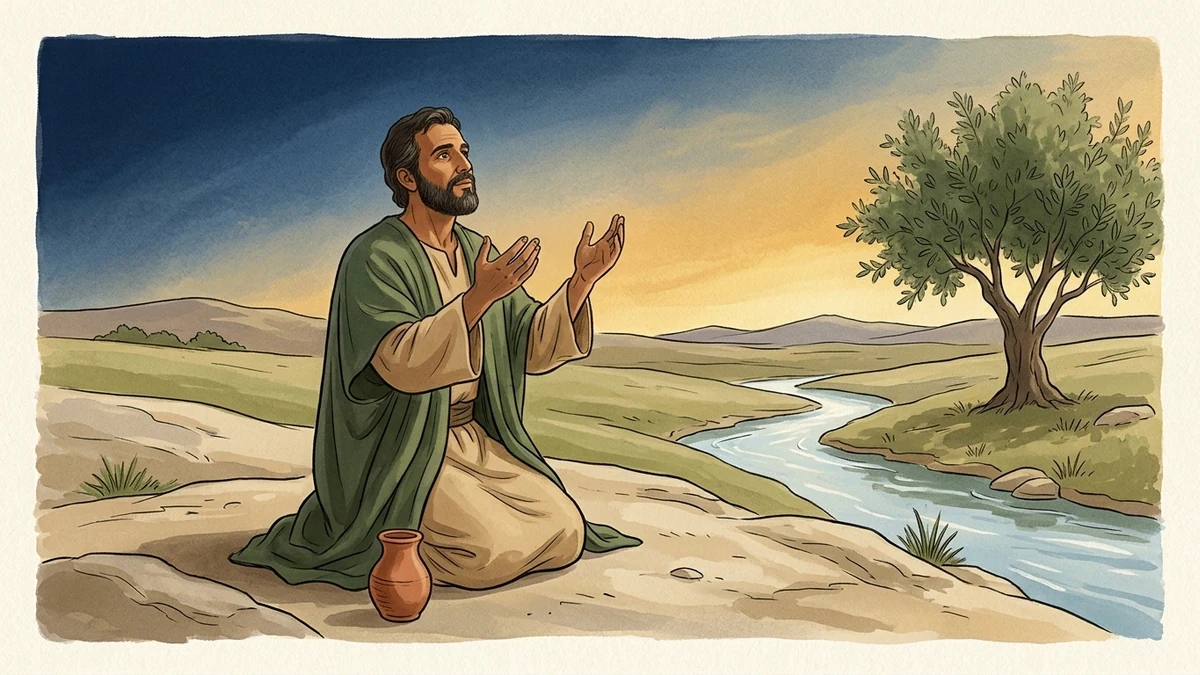
“Heal me, O LORD, and I will be healed; save me, and I will be saved, for You are my praise. Behold, they keep saying to me, “Where is the word of the LORD? Let it come now!””, Jeremiah 17:14-15 (Berean Standard Bible, BSB)
Few experiences test the steadiness of a household like failing health paired with slow answers. When test results keep coming back unclear, or when recovery moves at a pace that wears everyone down, ordinary days begin to carry an unspoken weight. Meals still need to be cooked, bills still arrive, and children still look for reassurance, yet beneath the surface runs a quiet question about how long strength will hold out.
Right at that boundary between urgent need and human limitation, the prayer of Jeremiah 17:14-15 meets our family. The prophet is not offering polished advice from a comfortable distance. He is praying out of real distress, surrounded by skepticism, looking to the only One capable of sustaining life when visible options fall short.
When Hope Meets the Edge of Human Help
In most homes, sickness brings more than physical discomfort. It rearranges calendars without asking permission, interrupts sleep, strains finances, and exposes anxieties that busy schedules usually keep out of sight. Anyone who has cared for a sick spouse, parent, or child knows the quiet fatigue of trying to stay calm while wondering what next week will bring.
Long seasons of waiting also carry a particular kind of loneliness. Friends check in during the first week, doctors speak with careful neutrality, and then the long nights return in the silence of the bedroom. In those hours, it is easy to start measuring God’s nearness by the speed of improvement or to wonder if our prayers are hitting a ceiling.
Scripture spares us from pretending. Jeremiah does not cover his pain with forced optimism. He looks squarely at his inability to heal or rescue himself and turns that honesty into direct petition: “Heal me, O LORD, and I will be healed; save me, and I will be saved.” Admitting where human skill ends is not spiritual failure; often it is the exact place where genuine faith begins to breathe.
The Context of Jeremiah 17: Faith Under Pressure and Mockery
To feel the weight of Jeremiah’s words, it helps to trace the flow of Jeremiah 17. The chapter opens by exposing Judah’s deeply engraved idolatry (17:1-4) and then sets two contrasting ways of living side by side:
- Trusting in human strength (17:5-6): pictured as a lone shrub in the desert, parched in salt waste and unable to recognize when good arrives.
- Trusting in the Lord (17:7-8): pictured as a tree planted by water, sending its roots toward the stream so that heat and drought cannot stop its leaves from staying green or its branches from bearing fruit.
After reflecting on the deceitfulness of the heart and naming the Lord as the fountain of living water (17:9-13), the chapter shifts to Jeremiah’s own voice. The prophet is living through the very test he just described. In verse 14, he asks for healing (the Hebrew rapha, which covers both bodily restoration and wholeness of life) and deliverance (yasha, concrete rescue from distress).
Verse 15 shows why the pressure felt so sharp: “Behold, they keep saying to me, ‘Where is the word of the LORD? Let it come now!’” Jeremiah’s critics were using the apparent delay of God’s action to mock his faith. In their eyes, if God truly stood behind the prophet, proof should have arrived on demand. Jeremiah was carrying not only his personal burden, but also the sting of watching others treat his trust in God as naive.
In the very next verse, he appeals to the Lord’s omniscience:
“But I have not run away from being Your shepherd; I have not desired the day of despair. You know that the utterance of my lips was spoken in Your presence.”, Jeremiah 17:16 (Berean Standard Bible, BSB)
Across its 27 verses, Jeremiah 17 reminds us that biblical faith does not require applause or instant results to remain steady. Jeremiah stays at his post because he knows God has heard every word spoken in His presence, even while skeptics demand immediate proof.
Practical Ways to Live This Passage at Home
Bringing Jeremiah 17:14-15 into a home facing illness, ongoing treatment, or emotional exhaustion calls for quiet, steady habits rather than dramatic gestures.
1. Keep every resource in its proper place
Scripture never pits prayer against medicine, rest, or skilled care. What Jeremiah 17 confronts is turning human help into our final savior. We can receive doctors, medication, and therapy with gratitude as gifts of God’s common grace, while keeping our deepest confidence anchored in the Lord who holds our breath.
2. Pray with Jeremiah’s candor: without spiritual performance
Many believers grow quiet in prayer during health crises because they assume they must sound composed and fearless. Jeremiah’s example gives our households permission to speak plainly. Around the dinner table or beside a hospital bed, family members can name what hurts and what frightens them, ending with the prophet’s anchor: “for You are my praise.”
3. Guard the home against voices that rush God
Just as Jeremiah’s neighbors demanded instant vindication, well-meaning acquaintances today sometimes imply that delayed healing points to weak faith. When comments like that sting, return to verse 16: the Lord knows what has been spoken in His presence. Faithfulness keeps its worth even while an answer unfolds on God’s timetable.
4. Send roots toward the stream in ordinary days
The tree in Jeremiah 17:8 endures drought because its roots reached the water long before the heat arrived. Reading a short passage of Scripture together, thanking God for small mercies, and praying for one another during healthy weeks builds spiritual resilience that holds steady when an unexpected diagnosis lands.
Questions for Quiet Reflection
Set aside a few unhurried minutes, on your own or with your spouse and family, to think through these questions:
- Where does our peace rest? When troubling health news arrives, what shakes our calm the fastest, and what does that reveal about where we have been looking for security?
- How are we handling the wait? In areas where God’s answer seems slow, have we let impatience or outside opinions define the value of our trust?
- What needs to be placed in God’s hands today? Read Jeremiah 17:14 aloud once more and name one physical, emotional, or family burden you want to entrust to the Lord before the day ends.
Frequently Asked Questions (FAQ)
What does Jeremiah mean by praying 'Heal me, O LORD, and I will be healed'?
In Jeremiah 17:14, the prophet recognizes that only God's sovereign touch brings complete restoration to body and soul. His prayer is not a formula to control outcomes, but a humble surrender to the Lord whom he calls his praise.
Why do people mock Jeremiah in Jeremiah 17:15 by asking 'Where is the word of the LORD?'?
Jeremiah's opponents ridiculed his warnings because judgment had not arrived immediately. Their sarcasm deepened the prophet's distress, leading him to bring both his personal pain and their unbelief directly before God.
How can a family apply Jeremiah 17:14-15 during an illness or slow recovery?
Families can pair responsible medical care with honest prayer. Instead of hiding anxiety or giving in to despair when answers take time, a household can bring its real limits to God, trusting that He sees every quiet cry.