
Though My Father and Mother Forsake Me, the Lord Will Receive Me
Bible study on Psalms 27:9-10 about loneliness and God's care: even where human affection failed or fell short, the Lord welcomes and shelters the heart.
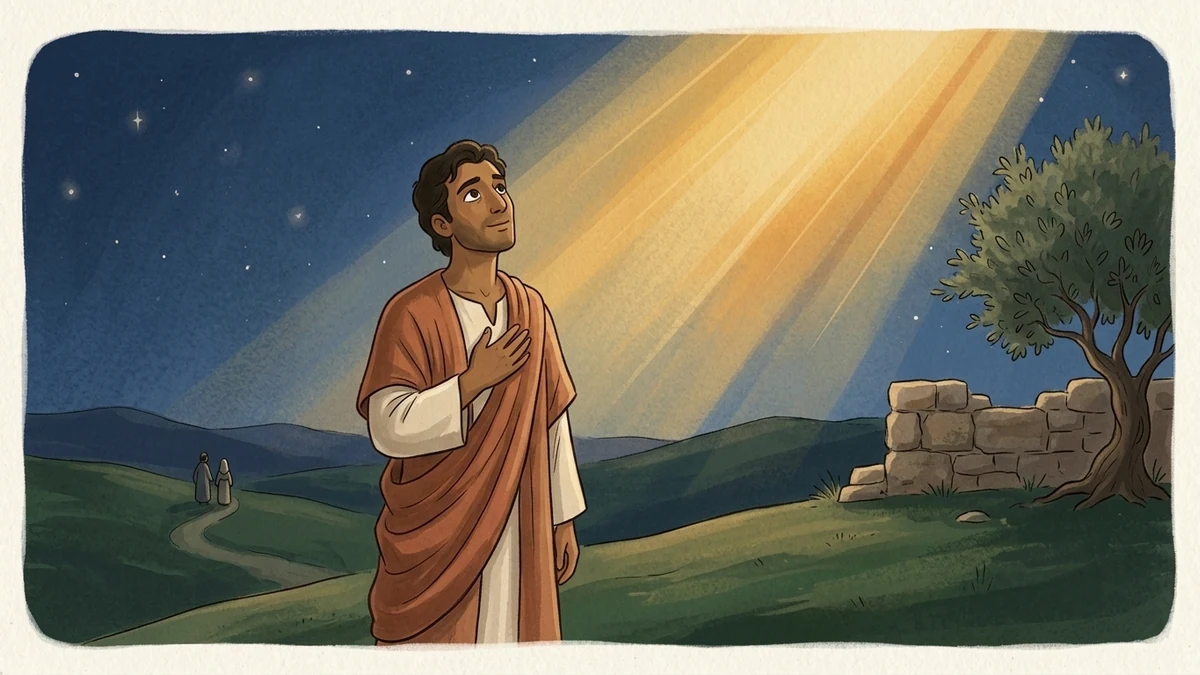
“Hide not Your face from me, nor turn away Your servant in anger. You have been my helper; do not leave me or forsake me, O God of my salvation. Though my father and mother forsake me, the LORD will receive me.”, Psalms 27:9-10 (Berean Standard Bible, BSB)
Some of the deepest aches do not come from strangers, but from the very places where we expected shelter. When a family history carries emotional coldness, unresolved estrangement, or the sting of being pushed aside by people once dear to us, loneliness settles deeper than an empty calendar. It quietly shapes how we read silences, interpret tone, and even picture the heart of God.
Anyone who has lived through abandonment knows how tempting it is to stay guarded so no one can hurt you the same way twice. Even inside a loving marriage, church, or circle of friends, a bruised heart keeps one hand on the door, waiting for disappointment. Psalms 27:9-10 was preserved in Scripture for that exact kind of guarded, weary soul.
When the Fear of Rejection Meets God
Psalm 27 spans 14 verses and is known for the striking shift at its center. In the first half (vv. 1-6), David sings with bold assurance: “The LORD is my light and my salvation; whom shall I fear?” Yet starting in verse 7, triumph gives way to urgent pleading. Surrounded by enemies and false witnesses, David voices a deeper fear in verse 9: “Hide not Your face from me, nor turn away Your servant in anger.”
That prayer exposes a very human pattern. When people close to us pull away, it is easy to assume God might do the same when we stumble or grow needy. David does not hide that fear behind polite religious phrases. He speaks it plainly to the Lord and anchors his plea in God’s track record: “You have been my helper.”
In verse 10, the prayer reaches a remarkable anchor: “Though my father and mother forsake me, the LORD will receive me.” David points to the most basic human bond of protection, a father and mother, and declares that even if that care fails through distance, misunderstanding, death, or outright abandonment, God steps in. In Hebrew, the verb “receive” (asaf) means to gather in, bring under one’s own roof, and shelter as family. The Lord does not nod sympathetically from afar; He opens His door and takes the forsaken person in.
In the very next verse, David asks for direction so he can keep walking forward:
“Teach me Your way, O LORD, and lead me on a level path, because of my oppressors.”, Psalms 27:11 (Berean Standard Bible, BSB)
Notice the order. First comes shelter in verse 10, then steady footing in verse 11. Those who know they are received by God do not have to spend their lives reacting to old wounds; they can ask for a clear, upright path forward despite those who pushed them away.
Practical Steps to Live This Truth Today
- Bring the fear of being left straight to God: When an old memory of rejection stirs up anxiety today, pray the honest words of verse 9. Naming the fear before God is where steadier trust begins.
- Separate human limits from the Father’s character: People fail, forget, and sometimes walk away, but the Lord never changes His mind toward those He has gathered in. When loneliness flares up, return quietly to the promise of verse 10.
- Make your own home a place of deliberate welcome: Those who know the sting of coldness can choose to break that pattern at their own table. Listening unhurriedly to a child, meeting a spouse with patience on a hard day, and refusing silent treatment are concrete ways to mirror the God who receives.
Frequently Asked Questions (FAQ)
What does the Hebrew word for 'receive me' mean in Psalms 27:10?
The Hebrew verb 'asaf' means to gather in, take into one's home, and shelter under personal protection. David is saying that even if the most fundamental human ties break down, God welcomes him as a Father.
Why does David pray 'Hide not Your face from me' in verse 9?
In biblical language, God's face turned toward a person expresses favor, attention, and nearness. People wounded by human rejection often fear God will withdraw as well, so David brings that fear directly to the Lord who has always helped him.
How does Psalms 27:11 connect to healing from abandonment?
Right after trusting God to receive him in verse 10, David asks for guidance in verse 11 ('Teach me Your way, O LORD'). Those sheltered by God do not have to live captive to bitterness; they receive a steady path forward.